
Does Getting a Tattoo Hurt? The Short Answer
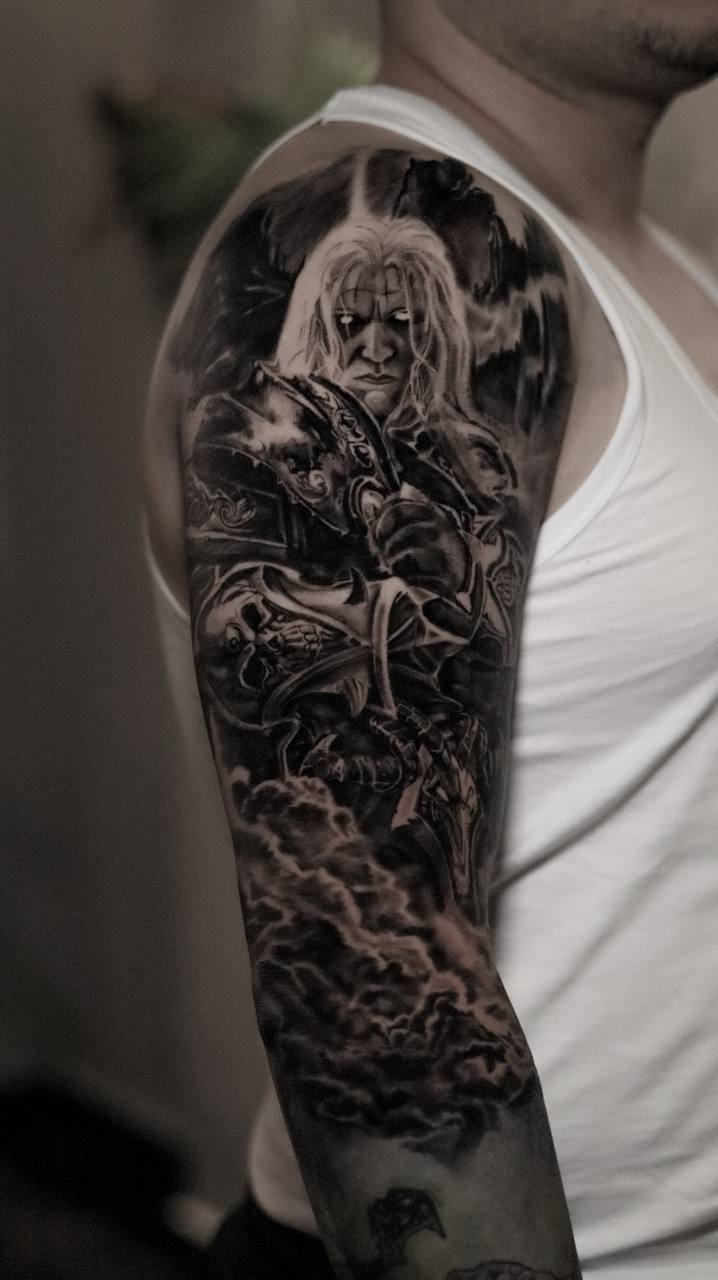
Yes, getting a tattoo involves some pain — but for most people, it is entirely manageable. The tattoo needle moves across your skin at 50 to 3,000 times per second, creating a sensation that ranges from a light scratching to a more intense burning, depending on the placement. What truly determines your experience is a combination of body location, design complexity, session length, and your personal pain threshold.
At Bosphorus Ink Istanbul, with over a decade of tattooing experience, the most common feedback we hear from first-timers is: "It hurt way less than I expected." This guide gives you a science-backed pain scale, detailed region-by-region breakdowns, and proven strategies to minimize discomfort.
Tattoo Pain Scale: Region-by-Region Comparison Table
The table below is based on client feedback and anatomical knowledge from Bosphorus Ink artists. Pain is rated on a scale from 1 (barely noticeable) to 10 (very intense).
| Body Area | Pain Level (1–10) | Description |
|---|---|---|
| Outer forearm | 2–3 | Most popular first tattoo spot. Muscle tissue cushions the needle. |
| Calf | 2–3 | Abundant muscle and fat make this very comfortable. |
| Shoulder / deltoid | 3–4 | Large muscle mass; great starting point for beginners. |
| Upper back | 3–4 | Moderate discomfort; sitting posture can add slight tension. |
| Inner forearm / back of arm | 4–5 | Thinner skin with nerves closer to the surface. |
| Chest / sternum | 5–6 | Bone proximity increases sensation; aesthetically very popular. |
| Ribs / side | 7–8 | Bone and breathing movement combine for intense sensation. |
| Hand / fingers | 7–8 | High nerve density; also higher fading risk. |
| Inner wrist | 6–7 | Thin skin and nearby veins; requires care. |
| Neck / throat | 8–9 | Very sensitive area; experienced artist is essential. |
| Knee / elbow cap | 8–9 | Directly over bone — one of the toughest spots. |
| Scalp / behind ear | 9–10 | Most intense pain areas. Recommended for experienced clients only. |
Least Painful Tattoo Areas
If you're getting your first tattoo, these are the most forgiving placements to start with:
Outer Forearm
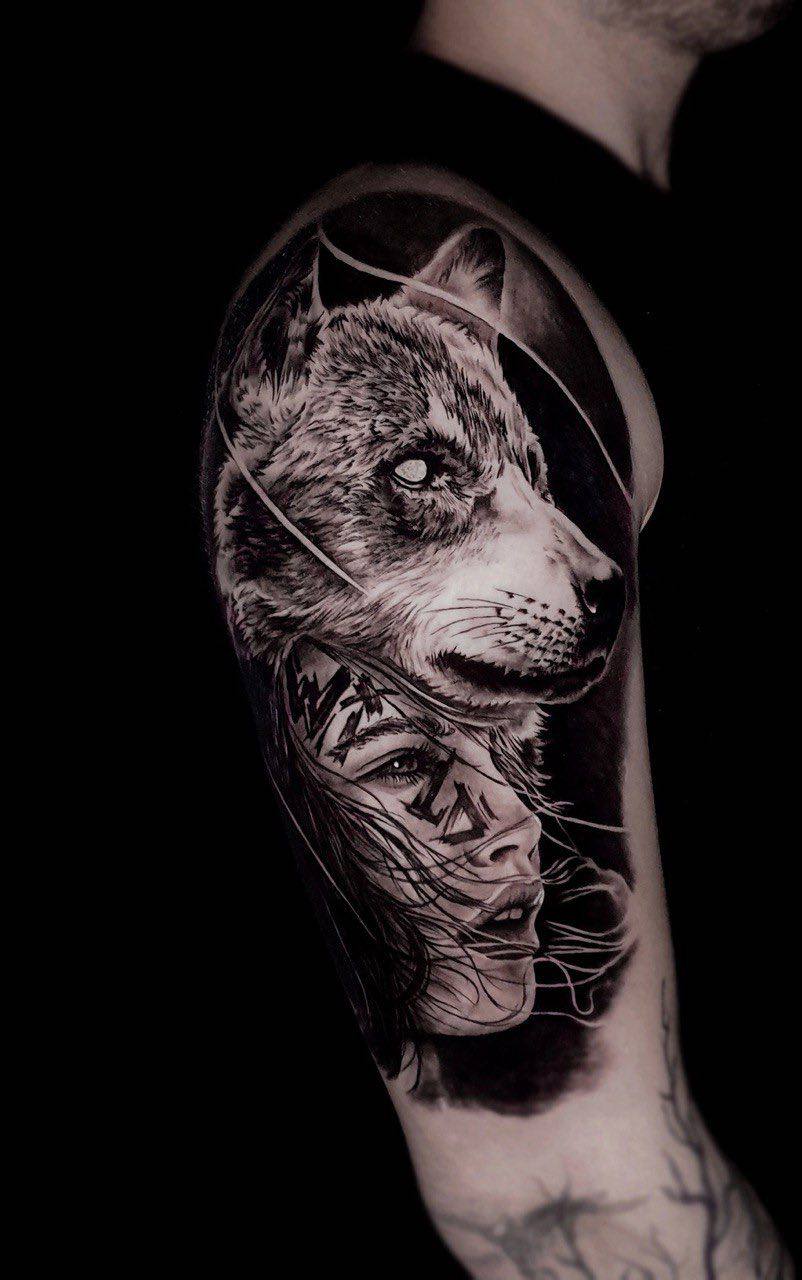
Sufficient muscle mass and relatively thick skin mean the needle vibrations are well cushioned. You can also keep your arm still comfortably throughout the session and maintain eye contact with your artist — which helps with mental relaxation. Does a tattoo hurt more on certain areas? Yes — we explain this in detail below.
Calf
The outer and front calf, far from sensitive nerves and bone, offers a first-rate tattooing experience. Ideal for medium to large designs, and good blood circulation also means faster healing. Does a tattoo hurt? Our experts at Bosphorus Ink Istanbul help you understand and minimize discomfort.
Shoulder and Deltoid
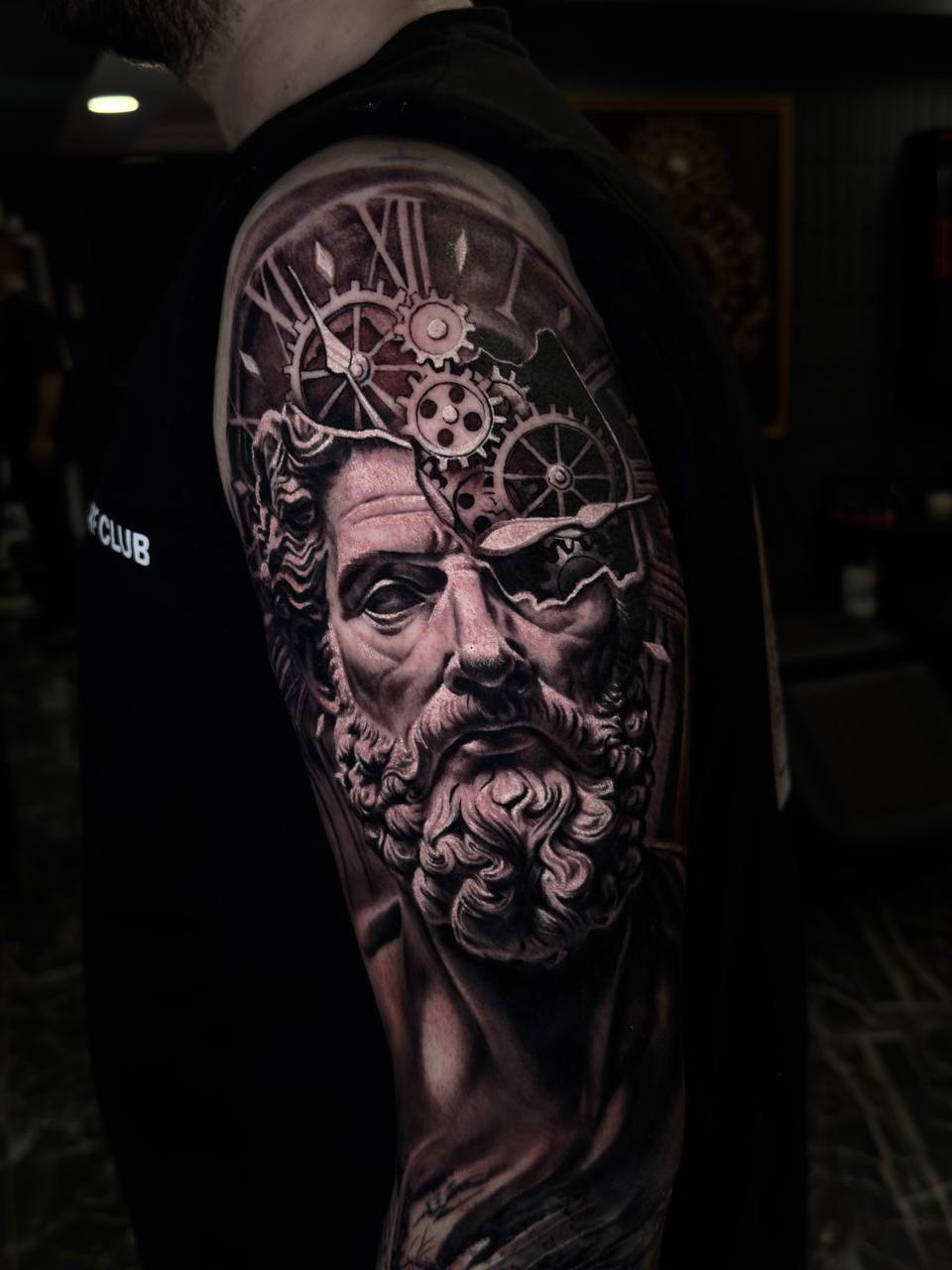
The deltoid muscle effectively absorbs the needle's energy. It offers a consistent feel across arm and upper-back transitions, making it excellent for both first tattoos and cover-up work.
Most Painful Tattoo Areas
Ribs and Side
This is what the tattoo world calls a "boss session." The combination of bone proximity, breathing movement, and thin skin makes pain intensity significantly higher. Even experienced clients frequently request breaks here.
Knee and Elbow Caps
Tattooing directly over bone with high nerve density makes these some of the most challenging sessions. The kneecap in particular demands patience from both artist and client when large designs are involved.
Hands, Fingers, and Inner Wrist
Nerve endings are dense in these areas. Additionally, hands are constantly exposed to friction and sunlight, meaning higher fading risk. These placements require a long-term care commitment.
Proven Ways to Reduce Tattoo Pain
Pre-Session Preparation
Drinking plenty of water, getting a full night's sleep, and eating a proper meal at least 24 hours before your session significantly raises your pain tolerance. Low blood sugar and fatigue dramatically lower your pain threshold. Limit caffeine before your session as it can constrict blood vessels and increase skin sensitivity.
Topical Anesthetic Cream
Lidocaine-based creams like EMLA, applied 45–60 minutes before the session, can reduce surface pain by 40–60% (Taddio et al., 2005 – PubMed). Not suitable for all skin types — always consult your artist beforehand. Ask us at any Bosphorus Ink studio for guidance. Does a tattoo hurt? Our experts at Bosphorus Ink Istanbul help you understand and minimize discomfort.
Correct Breathing Technique
Deep, rhythmic breathing lowers cortisol levels and reduces pain perception. Many clients report that meditative breathing makes a dramatic difference throughout the session. Holding your breath tenses your muscles and makes pain worse.
Use Your Right to Take Breaks
For longer sessions, plan breaks with your artist in advance. 10–15 minute breaks help endorphin levels recover and allow the nervous system to "reset." This reduces cumulative pain and helps your artist maintain focus.
First Tattoo Advice
If this is your first tattoo, remember three golden rules: start small, choose an easy placement, and work with an experienced artist. At Bosphorus Ink, every first-time client gets a pre-session consultation covering placement, design, pain expectations, and aftercare — this preparation makes a profound difference to your overall experience.
Don't underestimate the power of mindset. Clients who arrive excited and curious consistently report a more positive experience than those who come feeling pressured or fearful. Come when you feel ready.
Tattoo Healing and Post-Session Pain
After your session, some burning and tenderness in the area is completely normal and typically subsides within 24–48 hours. For the first three days, keep the tattoo covered, wash gently with soap, and apply moisturizer. Avoid direct sunlight, pools, and seawater for 2–3 weeks.
For a complete healing guide, check out our "Tattoo Aftercare: The First 30 Days" article. Proper aftercare reduces discomfort and extends the life of your tattoo.
The Psychology of Tattoo Pain: Mind Over Body
A significant portion of tattoo pain is psychological. Research shows that people with high anxiety perceive the same physical stimulus as far more intense (Rhudy & Meagher, 2000 – NIH). The reason is straightforward: when the brain detects a threat, it releases cortisol and adrenaline, which amplify pain signals. Conversely, clients who arrive calm and curious release endorphins — the body's natural painkillers.
This is precisely why our pre-session consultations at Bosphorus Ink matter. A client who knows what to expect — how the needle will feel, which moments will be more intense — consistently has a more comfortable session. Knowledge defeats anxiety.
A practical tip: listening to music, watching a show, or chatting with your artist during the session shifts your focus away from the sensation. The more your attention is elsewhere, the less pain you register. This "distraction effect" is a well-documented mechanism in neuroscience (Bushnell et al., 2009 – PubMed).
How Tattoo Technique Affects Pain
It's not only placement that determines pain — technique plays a major role too. Outlining, shading, and fill work each feel distinctly different:
Outline Work
Contouring with a single or few needles creates a sharp, localized sensation. Most clients describe it as "a line being drawn." It's often the most intense phase for a given area, but it's also the shortest.
Shading and Fill
Shading uses wider needle configurations and creates a broader, surface-level burning sensation. Less sharp than outlining but longer-lasting. In extended fill sessions, this cumulative sensation can turn into general fatigue.
Fine-Line Technique
Increasingly popular in Istanbul, fine-line tattooing uses very thin needle tips applied with lighter pressure — generally causing less pain than traditional outlining. However, the density of detail can extend session time. Does a tattoo hurt? Our experts at Bosphorus Ink Istanbul help you understand and minimize discomfort.
Why Studio Choice Matters for Pain
A hygienic, professional, and well-lit environment directly influences pain perception. Noisy, cluttered, or poorly managed studios increase psychological stress, which raises cortisol levels and lowers your pain threshold. Experienced artists also hold the needle at the correct angle and speed, minimizing unnecessary tissue trauma — which directly affects both comfort and healing.
Choosing a studio and artist based on price alone is one of the most common mistakes first-timers make — both aesthetically and experientially.
Healing Timeline: A Day-by-Day Guide
After your session, here's what to expect in terms of sensation and healing:
Days 1–2
Burning, redness, and slight swelling are normal. The tattoo behaves like an open wound — keep it clean and let it breathe. Cover with cling film or a dedicated tattoo bandage. Use lukewarm water in the shower; do not scrub.
Days 3–7
Scabbing begins. Scratching delays healing and pulls out ink. Apply fragrance-free moisturizer regularly. The burning sensation largely subsides by the end of this phase.
Days 8–21
The surface appears healed, but deeper tissue is still repairing. Sun, sea, pools, and saunas are strictly off-limits. Do not pick peeling skin.
Day 21+
Full healing typically completes in 4–6 weeks. Colors sharpen and lines become more defined. Using SPF on the area for the first three months significantly extends the life of your tattoo. Does a tattoo hurt? Our experts at Bosphorus Ink Istanbul help you understand and minimize discomfort.
Your First Tattoo at Bosphorus Ink Istanbul
As one of Istanbul's most established tattoo studios, we take a personalized approach with every client. If this is your first tattoo, you're welcome to book a free consultation before committing to an appointment. We'll walk you through placement options, design sizing, pain expectations, and aftercare — everything you need to walk in confident and walk out happy.
Our goal is simple: to give you the most comfortable and beautiful tattoo experience possible. Because a great tattoo starts with a great experience. View our tattoo prices and book your session in Istanbul.
Frequently Asked Questions
Does getting a tattoo hurt a lot?
Which tattoo area hurts the least?
How can I reduce tattoo pain?
Does a rib tattoo hurt a lot?
Which placement should I choose for my first tattoo?


