
You're planning a beach holiday, you have a fresh tattoo, and one question keeps surfacing: "When can I actually go in the water?" This guide breaks down safe waiting times by body area, explains the differences between sea, pool, and thermal water, and addresses common questions tattoo artists hear every summer. Drawing on in-studio experience at our Beşiktaş and Pendik branches, the team at Bosphorus Ink lays out exactly how to enjoy your holiday without sacrificing the long-term quality of your tattoo.
Why Swimming with a Fresh Tattoo Is Risky
A new tattoo is, biologically speaking, a controlled open wound. The needle has perforated the epidermis and deposited ink in the dermis, and during healing the skin's natural protective barrier is temporarily compromised. Full healing takes anywhere from two to six weeks depending on skin type, age, tattoo size, and placement, although surface-level healing usually completes within the first 14 days.
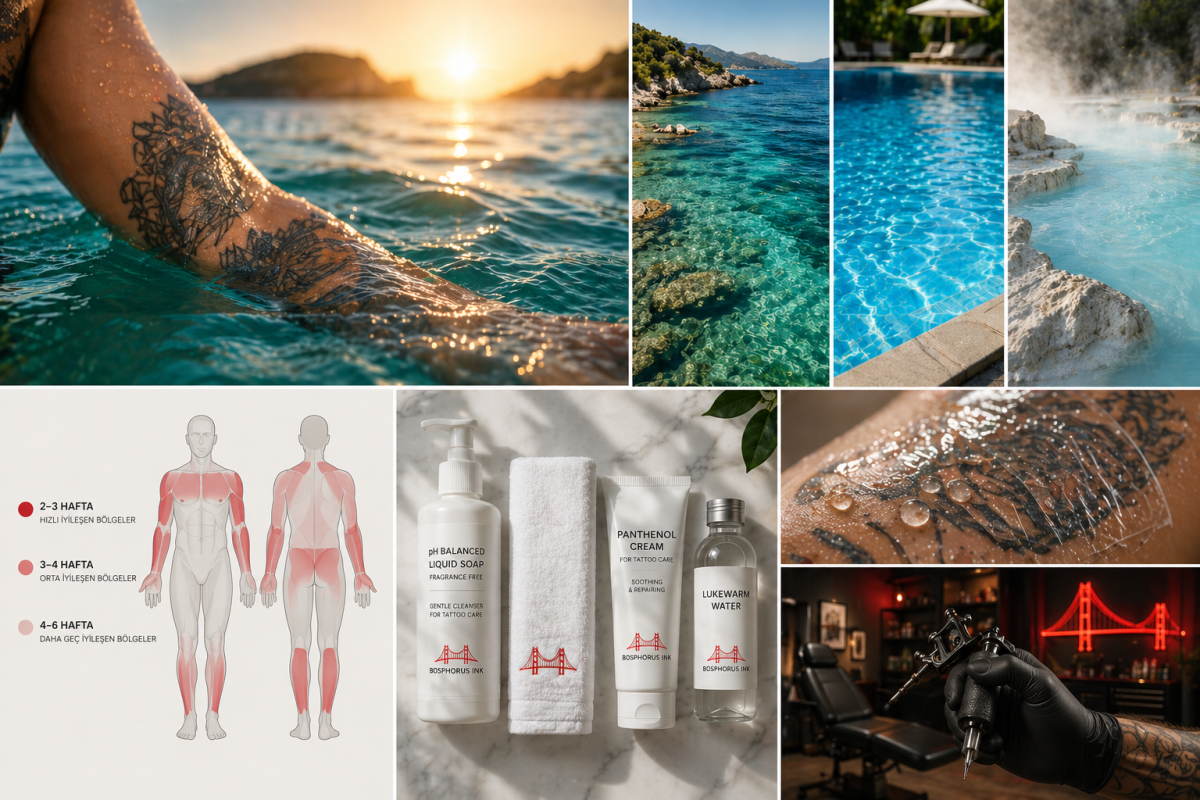
Seawater introduces three main risks: bacterial contamination (most notably Vibrio species), the irritating effect of salt on broken skin, and UV radiation that degrades fresh ink pigment. Pool water carries chlorine, which dries the skin, accelerates scab formation, and can cause ink to lose vibrancy. Thermal water, with its high mineral content and elevated temperature, is the most aggressive of the three on a healing tattoo.
Safe Waiting Times by Body Area
Back and Chest: 3–4 Weeks
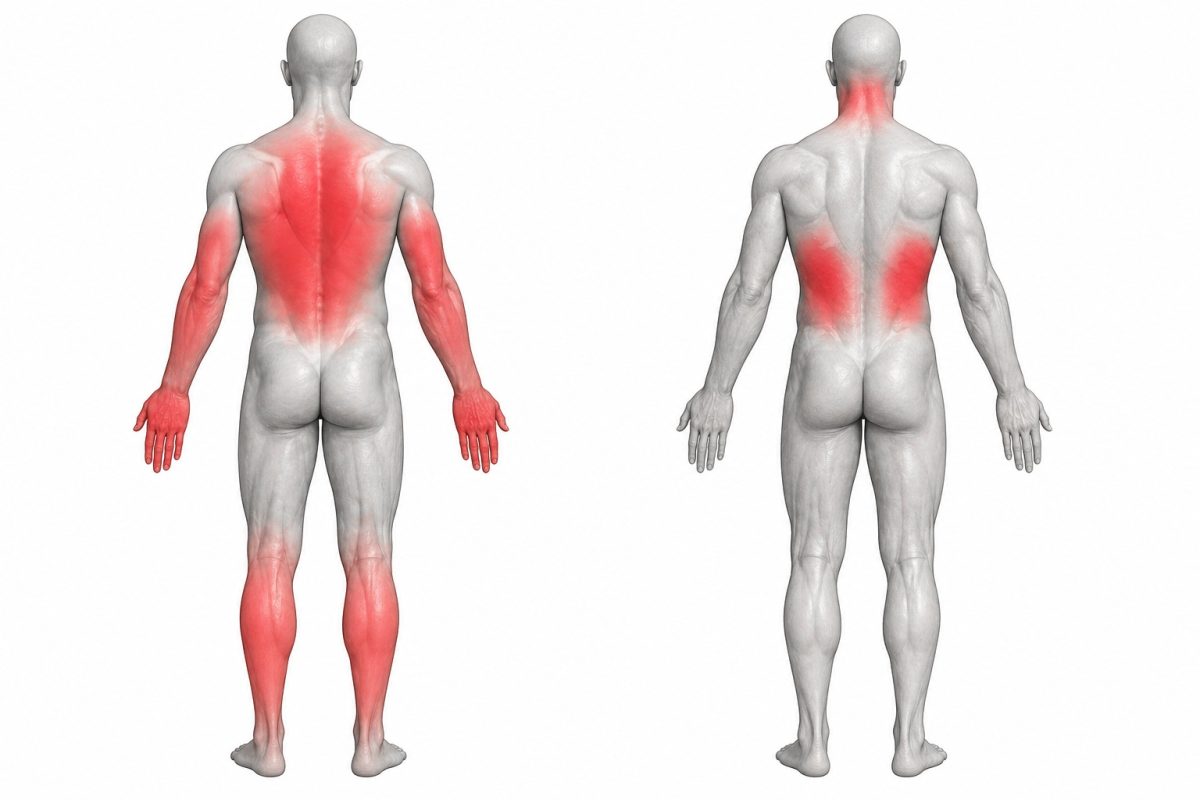
The back and chest are among the largest and least mobile areas of the body, which generally favors healing. However, larger pieces (sleeves, full back panels) and friction from swimwear straps extend the recovery window. We recommend a minimum of 21 days, ideally 28, before swimming. Mechanical irritation from bikini ties or sports tops can cause ink loss even during the late scabbing phase, so the timeline matters as much as the calendar date.
Arms (Upper Arm and Forearm): 2–3 Weeks
The arms are among the fastest-healing zones, but they also experience high daily exposure: clothing friction, deodorant contact, frequent splashing. We suggest 14–18 days for the upper arm and 18–21 days for the forearm. The inner elbow (crease area) needs longer — closer to 25 days — because constant flexion slows tissue repair.
Legs (Thigh and Calf): 3–4 Weeks
Legs experience more swelling and venous pooling because of gravity, so mild puffiness during the first 72 hours is normal, particularly on the calf. We recommend 21 days for the thigh, 25 days for the calf, and 30 days for ankle and foot tattoos. Foot tattoos take the longest of any placement: sand, sweat-induced salt build-up, and constant ground contact all delay healing significantly.
Hands, Wrists and Fingers: 4 Weeks
Hands are the most-washed and most-touched part of the body. Hand and finger tattoos can take 28–35 days to fully settle, and we strongly advise waiting at least 30 days before any swimming. Finger tattoos are already notoriously difficult to keep crisp; premature exposure to seawater can cause complete pigment loss in some areas, requiring expensive touch-ups within the first year.
Ribs, Hips and Inner Arm: 4–5 Weeks
These are the body's most sensitive and slowest-healing zones. The skin is thinner, nerve endings are denser, and mechanical movement is constant. Plan for 28–35 days on ribs, 28 days on hips, and 25–30 days on the inner arm. Rushing recovery in these placements typically causes both ink loss and long-term pigment migration, which is harder to fix than fading.
Neck and Nape: 3 Weeks
The neck has strong vascularization, which speeds healing, but it is also one of the most sun-exposed areas of the body. After 21 days you can resume swimming, but UV protection (SPF 50+) and ideally a physical barrier — hair, scarf, hat — are essential to prevent fading.
Sea, Pool, or Thermal: Which Is Worse?

Summer holidays often involve more than one type of water. Each has a different effect on a fresh tattoo, and the differences are not minor.
Seawater: Salt concentration averages around 3.8% in the Aegean and 3.9% in the Mediterranean. On an open wound, this produces noticeable burning and can accelerate ink leaching. Bacterial load is also higher near busy ports and marinas (Marmaris, central Bodrum, Antalya Lara), where boat traffic and runoff increase contamination.
Pool water: Chlorine levels vary widely between hotels. Heavily chlorinated pools (especially kids' pools) fade pigment and cause stinging during the scab phase. Hotel pools are typically cleaner than seawater in bacterial terms, but chemically more aggressive on healing skin.
Thermal water: Hot springs in regions like Pamukkale, Yalova, and Bursa Çekirge contain high mineral concentrations (sulfur, calcium, magnesium) plus elevated temperatures. This is the worst-case scenario for a healing tattoo. Wait at least six weeks, no exceptions.
"Can I Just Use a Waterproof Bandage?"
Saniderm, Tegaderm, and Dermalize are second-skin adhesive bandages widely used in the tattoo industry. They are designed for short showers and moisture protection, not prolonged submersion. Wearing one in seawater for more than 30 minutes typically allows water to seep in around the edges, trapping bacteria against the wound. The result is often worse than swimming without a bandage at all. In short: a waterproof bandage is a delay, not a solution.
Emergency Protocol: I Already Went Swimming Too Early
If you've already gone swimming before the recommended window, don't panic, but act quickly:
- Rinse the area gently with lukewarm (never hot) tap water for at least two minutes.
- Wash with a fragrance-free, antibacterial liquid soap (Cetaphil, CeraVe, or similar pH-balanced products) using your fingertips only — no washcloth.
- Pat dry gently with a clean cotton cloth; do not rub.
- Apply a thin layer of panthenol-based cream (Bepanthol or Hustle Butter Deluxe).
- Monitor for 48 hours. If you notice spreading redness, yellow or green discharge, fever, or expanding tenderness, see a dermatologist immediately.
Bosphorus Ink clients can reach the team via WhatsApp for an aftercare check; follow-up consultations are always free.
Conclusion: Patience Protects Your Investment
A tattoo lasts a lifetime; the healing window lasts a few weeks. Managing that short period correctly is what keeps the work crisp and saturated 10, 20, even 40 years later. At Bosphorus Ink, the team in Beşiktaş and Pendik Lens Yaşam Merkezi provides a detailed aftercare protocol and ongoing consultation with every piece. For pre-summer planning, get in touch directly with the studio.
Related reading: Tattoo Aftercare Guide · Getting Tattooed in Summer: Pros and Cons · How Fine Line Tattoos Heal
Frequently Asked Questions
Can I swim one week after getting a tattoo?
Is seawater worse than pool water?
What if it rains on my tattoo?
When can I start using sunscreen?
Should I get tattooed during my holiday or after?


