
The most visible shift in tattooing over the past few years has been a move away from large compositions planned around a single centrepiece, toward small, independent pieces collected over time. In 2026 this approach is no longer a niche — it has become a mainstream style that has fundamentally reshaped how a younger generation thinks about tattoos. It is called sticker or patchwork tattooing, and the logic is exactly what the name suggests: treating the body like a notebook that gathers different stickers over time.
In this guide, our team explains what sticker and patchwork tattoos are, why they have captured so much attention, and what to keep in mind when building a healthy collection in Istanbul.
What exactly is a sticker tattoo?
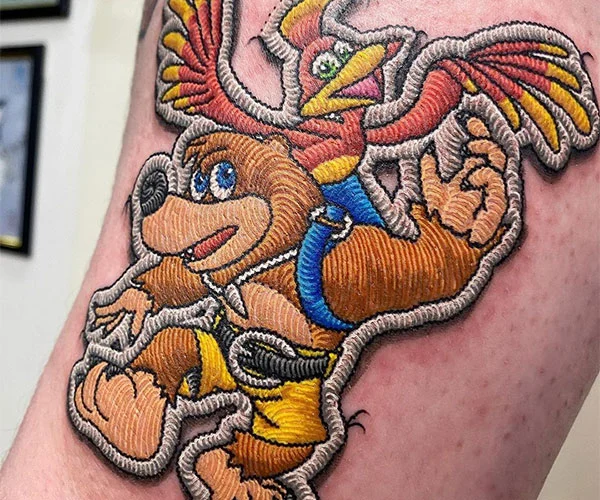
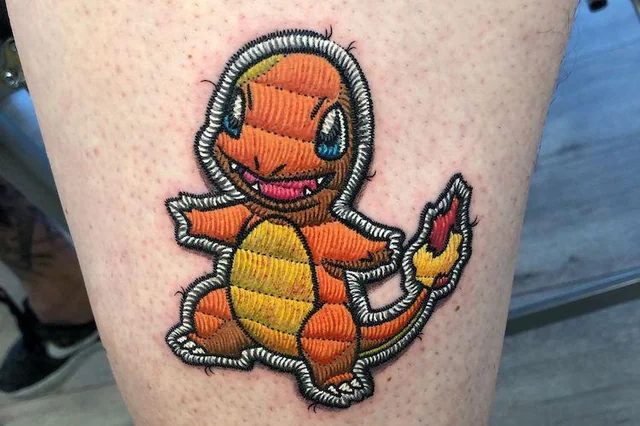
A sticker tattoo is made up of small, independent designs that come together on the body like stickers layered onto a laptop. Each piece is complete in itself: a tiny smiley face, a coffee cup, a small animal, a symbol, a handwritten word. There is no requirement for a shared theme or narrative thread between them. The real expression lives not in any single piece, but in the collection that forms over time.
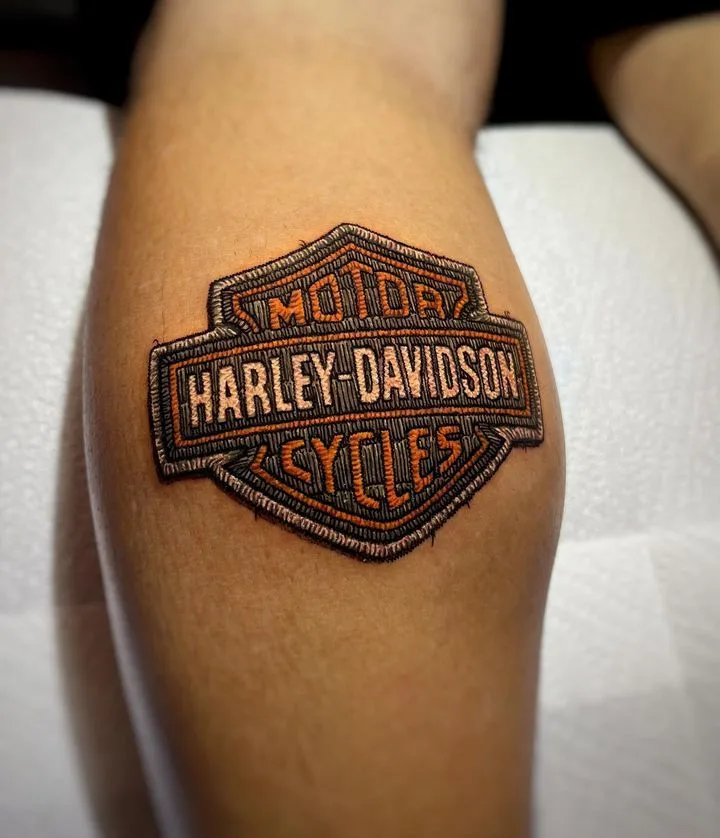
Patchwork is a slightly more organised version of the same logic. The pieces remain independent, but they are arranged along an area such as an arm or leg with deliberate breathing space between them. Unlike a traditional sleeve, the gaps are not blended together with shading or fill — each motif stands within its own boundaries. The result is a surface that looks planned yet relaxed, revealing new details the longer you look.
Why is it so popular in 2026?
There are several concrete reasons behind this trend. First, lower pressure. A large composition completed in one go is a serious commitment, both in cost and in the anxiety of "is this the right decision?" The sticker approach lets you progress in small steps, spread the collection across time, and add only a piece that suits your current mood.
Second, flexibility. Independent pieces carry no risk of ruining the whole design when you decide to add a new motif later. Because the gaps are intentional, the collection always stays open to growth.
Third, its fit with the visual language of social media. Small, unrelated figures photographed together create a striking, personal "moodboard" effect — which is part of why the style has spread so quickly among younger clients.
In sticker tattoos, placement is everything
Although the pieces look independent, every good patchwork is built on careful placement planning. The ratio of negative space, the balance of sizes, and the harmony with the body's natural lines are what determine whether the result looks considered or cluttered. This is exactly what our team focuses on most during the first consultation: positioning a single piece added today with future pieces already in mind.
A few practical principles:
- Visibility: The forearm and upper arm are ideal for those who want to display the collection. The inner wrist, ankle or shoulder blade offer more personal placements that can be concealed when needed.
- Friction: On high-contact areas such as fingers, hands and feet, fine lines can open up faster. Touch-ups over time are normal for small pieces placed here.
- Negative-space discipline: The character of patchwork comes from the space between pieces. Resisting the urge to fill every gap, and letting the composition breathe over time, is the right approach.
Spreading the collection over time: the session logic
The best part of the sticker approach is that each piece can usually be completed in a relatively short session. A small, simple figure is often finished quickly, which both eases healing and makes it practical to return at different times to add to the collection.
That said, every session is held to the same hygiene and sterilisation standards. Single-use needles opened in front of you, gloves changed for every session, instruments sterilised in an autoclave, and surface disinfection before and after — these standards never change, regardless of the size of the piece. A small tattoo does not mean small care.
Why is it ideal for first-timers?
The sticker style is a natural starting point for anyone getting their first tattoo. The small scale makes it easier to get familiar with the physical experience while removing the stress of a major commitment. Once the first piece feels right, you can grow the collection at your own pace. This is precisely why a significant share of first-time clients in Istanbul choose this approach.
Design: independent, but yours
It is a misconception that sticker tattoos look "random." A good collection is made of pieces, each considered individually for the person wearing them. During the consultation, our team reviews your reference images, the symbols that inspire you and the figures you want to add, designing each piece to feel both complete on its own and in harmony with the whole. The aim is a collection drawn from your own story — not copied from someone else's board.
Frequently asked questions
Do the pieces have to share a theme? No. The essence of the sticker style is the independence of the pieces. You can build a thematic thread if you wish, or leave it entirely open.
Can I add to it later? Yes — this is the approach's greatest strength. When gaps are left intentionally, the collection always stays open to growth.
Do small pieces fade faster? It depends on placement. On high-friction areas such as fingers and hands, fine lines can open up over time, and touch-ups are normal there. Proper aftercare and sun protection extend their life.
How is pricing determined? Because every piece differs in size, detail and session length, there is no fixed price. In a free consultation, we review your pieces together and give you clear guidance.
Ready to start your collection?
At our Polat Towerside studio in Beşiktaş and our branch at Pendik Lens Yaşam Merkezi, we offer free consultations for sticker and patchwork collections. Share the figures and references you have in mind via WhatsApp, and let our team plan the placement and design that suits you best.
Frequently Asked Questions
How long does a sticker tattoo take?
What is the minimum age for a sticker tattoo?
How many sessions does it take to build a patchwork collection?
Are sticker tattoos good for first-timers?
How are sticker tattoo prices determined at Bosphorus Ink?