
What Is a Watercolor Tattoo — and Why Is It So Hard to Do Well?
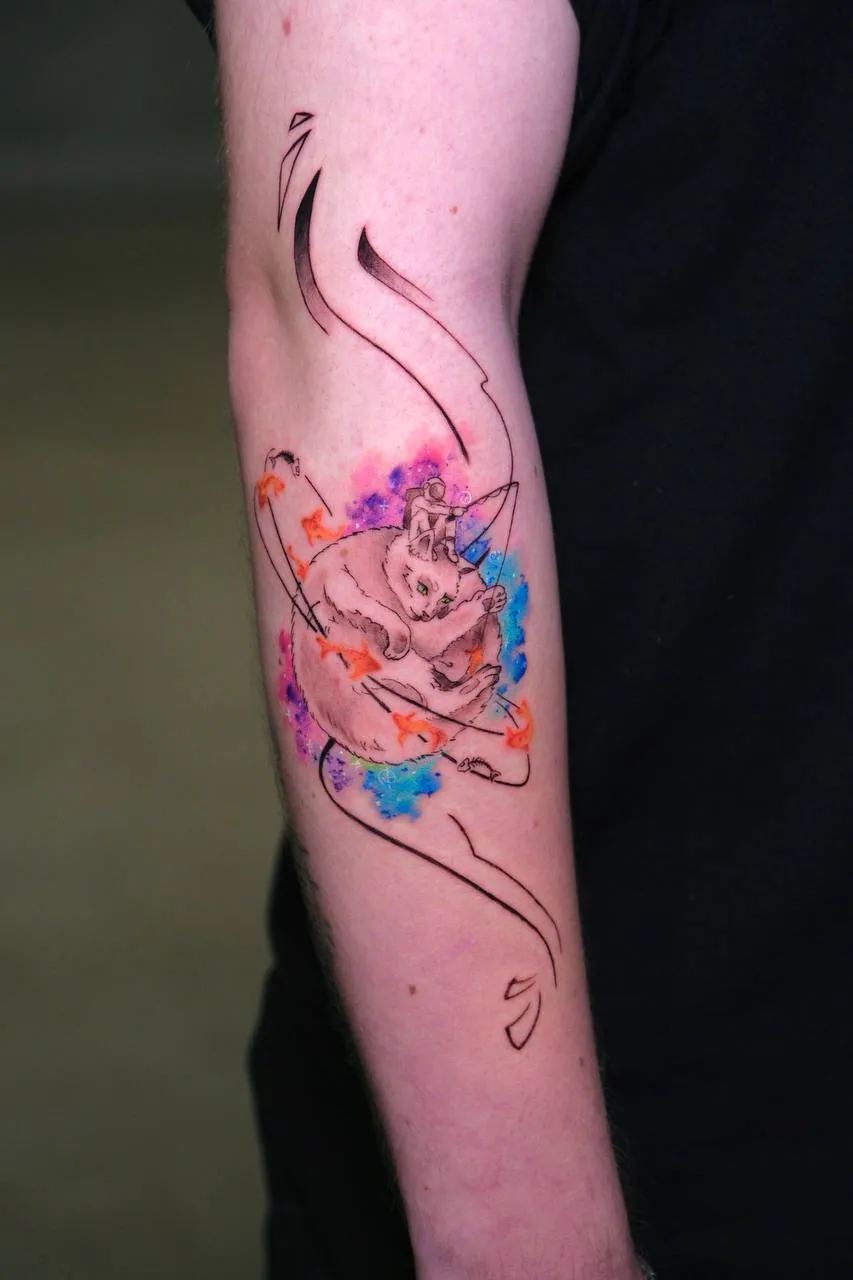
A watercolor tattoo is a style that mimics the aesthetic of a watercolor painting applied directly to the skin. Unlike traditional tattoos, which rely on bold black outlines filled with solid color, watercolor tattoos embrace a more fluid, freehand approach. Artists use diluted inks, layering techniques, and controlled bleeding to create soft gradients, splashes, and brushstroke effects.
Here's why it's hard: on paper, a misplaced brushstroke can be wiped away. On skin, it can't. Every color layer, every dilution ratio, every needle angle has to be correct in sequence — there is no undo. The style ranges from purely abstract color fields to detailed figurative work, and it can stand alone or be blended with other techniques such as fine line or realism.
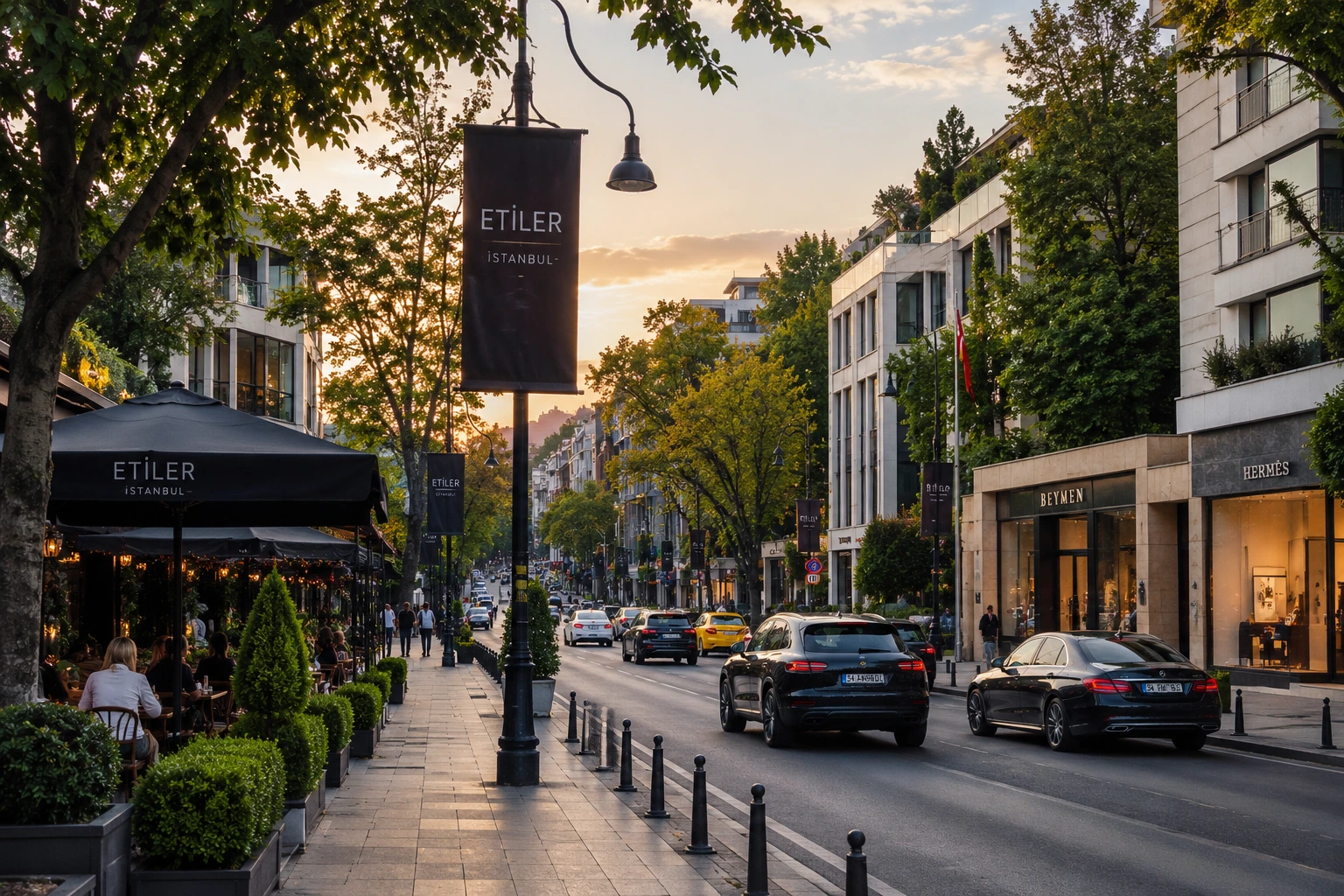
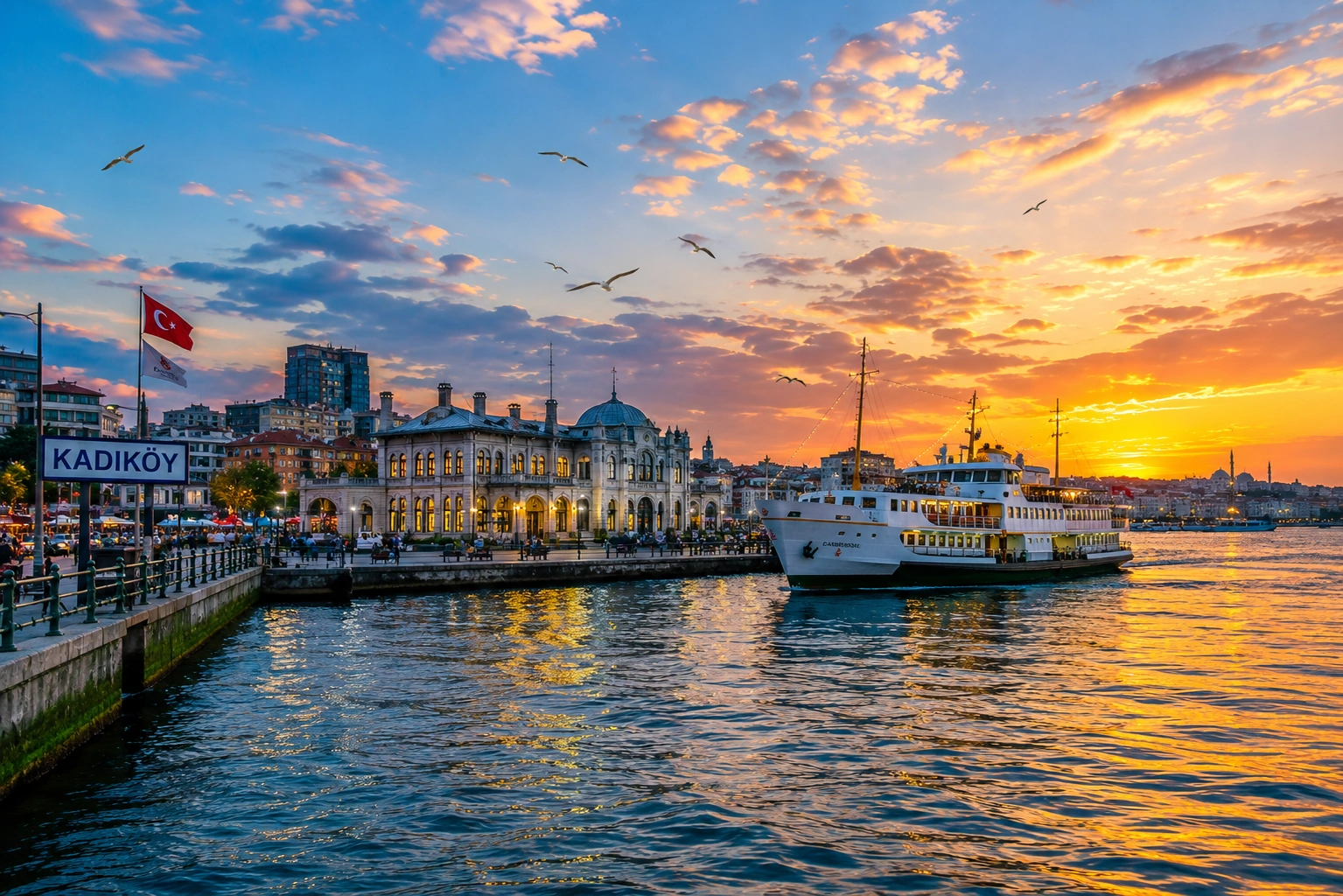
Why Istanbul Is the Right City for Watercolor Work
Watercolor tattooing has the least margin for error of almost any style. That makes studio selection more critical here than anywhere else. Istanbul's geographic position as a bridge between European and Asian art traditions has created a generation of artists who are technically cross-trained in ways that benefit watercolor work specifically — Japanese precision, European minimalism, and fine art color theory all running through the same hands.
- World-class artists: Istanbul's top studios house specialists across multiple styles, including artists who have trained internationally.
- Competitive pricing: Compared to studios in London, Amsterdam, or New York, Istanbul offers comparable quality at significantly more accessible prices.
- Custom-first approach: Leading Istanbul studios work exclusively with custom designs — no flash sheets.
- Safety & hygiene: Top-tier studios operate with single-use materials and international sterilization standards (WHO guidelines).
What Makes Istanbul's Scene Different from Other Tattoo Capitals
Many tattoo cities are known for a single dominant style — Berlin for blackwork, Tokyo for traditional Japanese, Los Angeles for Chicano lettering. Istanbul doesn't follow that model. The city's tattoo culture draws from Turkish calligraphy, Ottoman geometric patterns, European academic painting, and contemporary Asian illustration all at once. For a watercolor artist, this cross-pollination is invaluable: it means the ability to mix precision linework from one tradition with the color instincts of another.
Istanbul is also one of the few major tattoo markets where the client base is genuinely international year-round. Studios in Beyoğlu, Kadıköy, and Nişantaşı routinely serve visitors from across Europe, the Middle East, and beyond. This constant exposure to diverse aesthetic preferences has pushed Istanbul's watercolor artists to develop broader range than artists who primarily serve local tastes.
The Watercolor Styles Dominating 2026
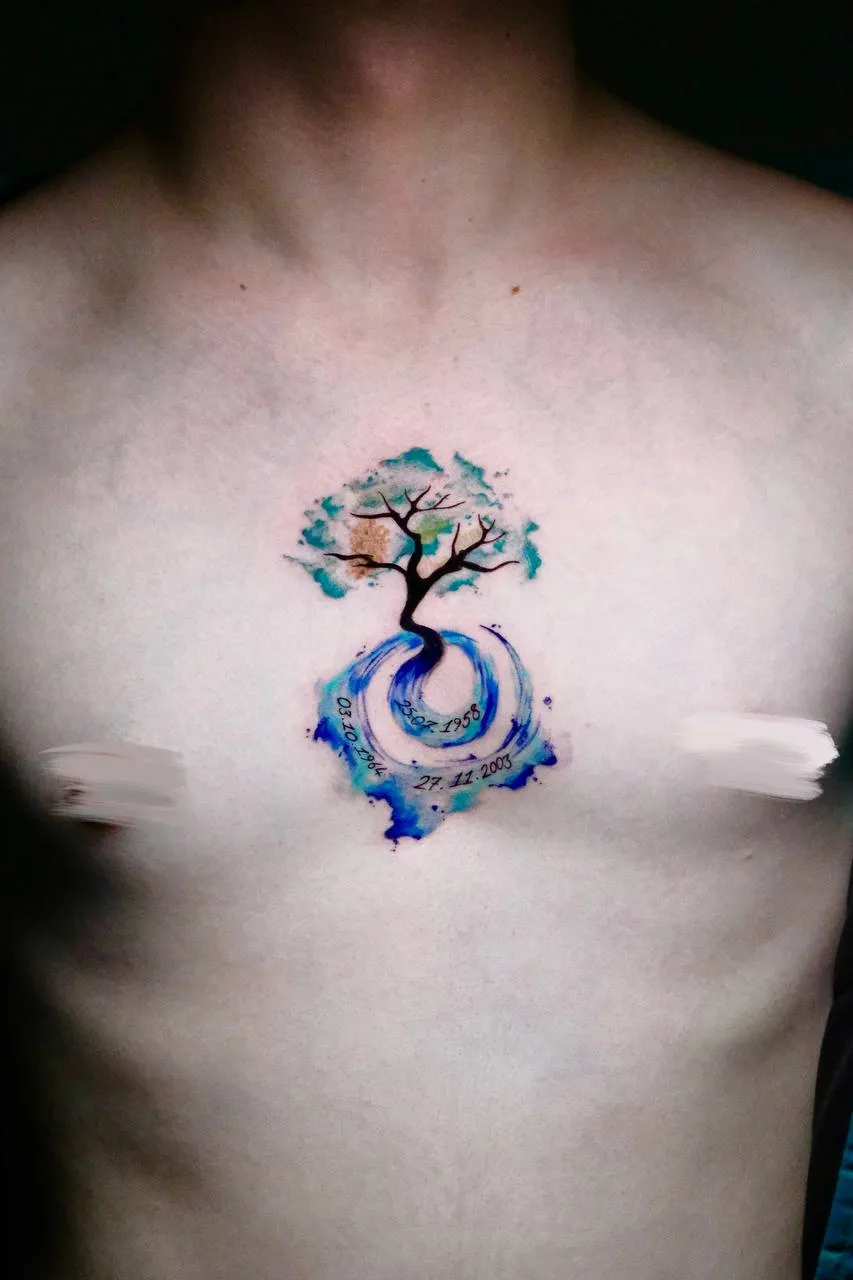
Pure Watercolor
No outlines, only color. This is the most expressive and artistically demanding form of watercolor tattooing. Florals, butterflies, birds, and abstract shapes are the most requested subjects.
Watercolor + Fine Line Hybrid
One of the most popular combinations in 2026. A delicate fine line outline provides structure, while watercolor fills the interior. This approach tends to age better than pure watercolor, since fine lines remain crisp while colors mellow.
Watercolor + Realism
Hyper-realistic portraits, animals, or botanical subjects placed against a watercolor wash background. Technically among the most challenging approaches and requires an artist who excels in both realism and color theory.
Blackwork with Watercolor Accents
Bold black tattooing accented with watercolor splashes and color pops. The contrast between dense black and translucent color holds up exceptionally well over time.
Most Requested Motifs
- Botanical & floral designs (peonies, roses, wildflowers)
- Butterflies, birds, and hummingbirds
- Galaxy and cosmic themes
- Abstract geometric watercolor
- Animal portraits with watercolor backgrounds
Watercolor Tattoo Prices in Istanbul 2026
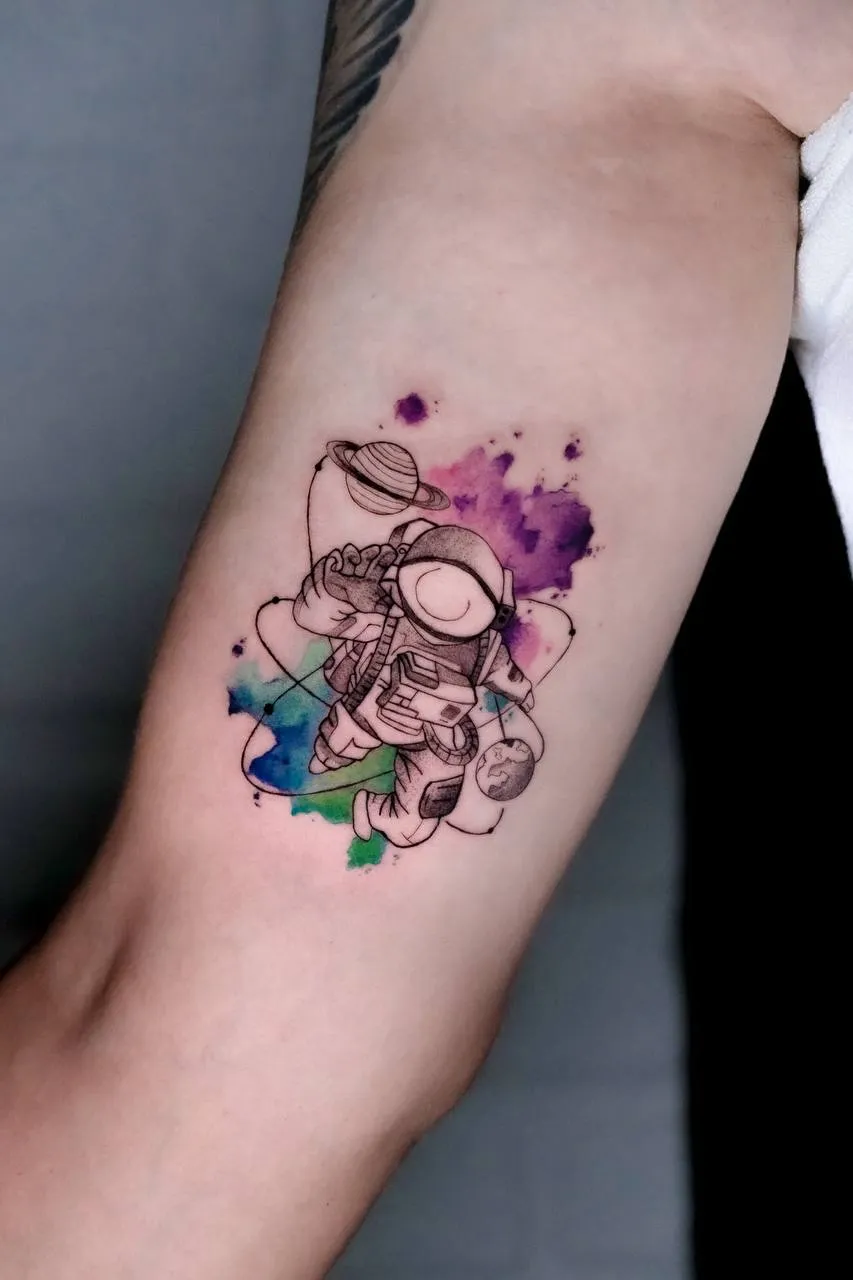
Watercolor tattoo pricing in Istanbul depends on size, color complexity, the number of sessions required, and the artist's experience level.
| Size & Category | Estimated Price Range (TRY) |
|---|---|
| Small (5–10 cm, single color) | ₺3,500 – ₺10,000 |
| Medium (10–20 cm, multi-color) | ₺10,000 – ₺25,000 |
| Large (20–30 cm) | ₺20,000 – ₺35,000 |
| Full Sleeve / Leg | From ₺35,000 per session |
| Watercolor + Realism Hybrid | Varies by artist / complexity |
Note: Prices are listed in Turkish Lira (TRY) as exchange rates fluctuate. For Bosphorus Ink's exact pricing, book a free consultation.
Inside the Technique: What Your Artist Is Actually Doing
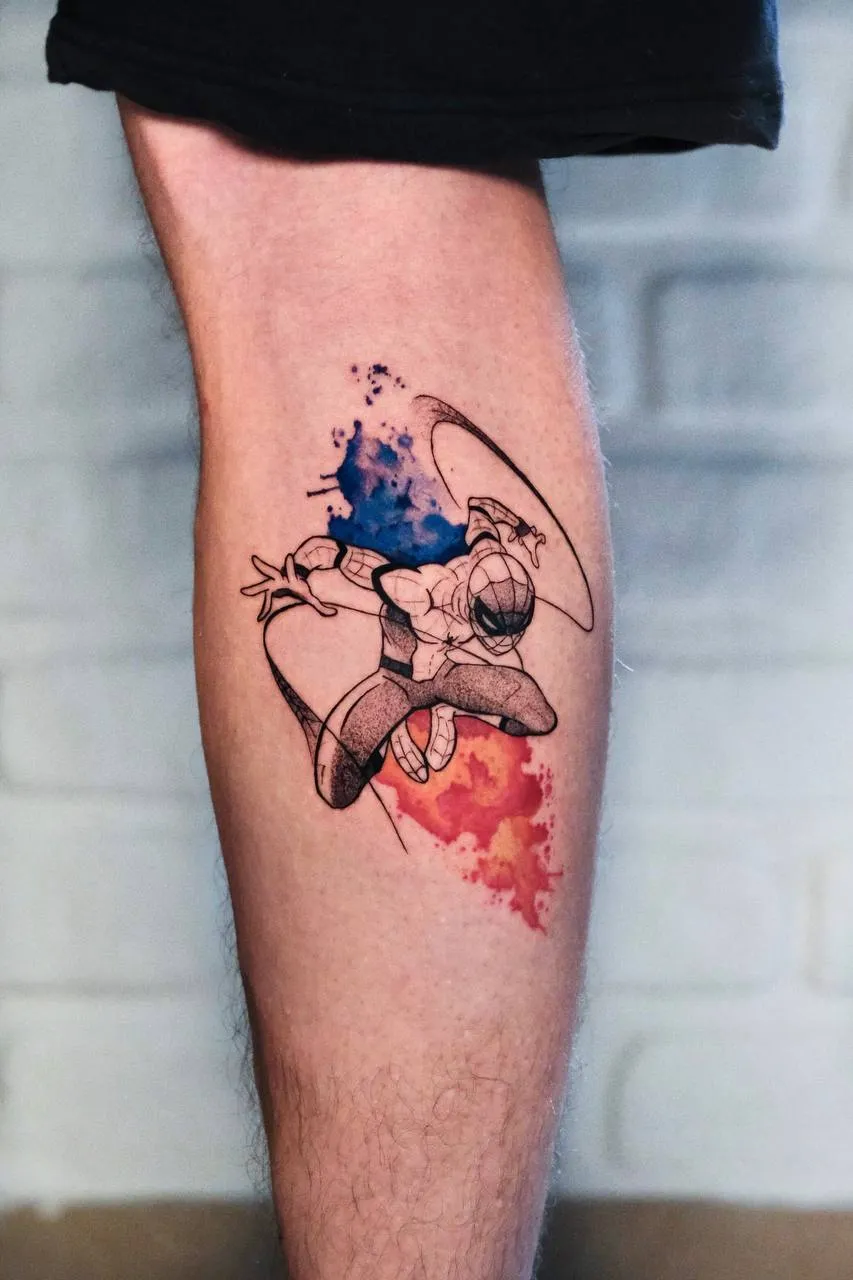
The Design Process
Watercolor tattoos require more upfront planning than most other styles. The artist must map out the color palette, gradient flow, and ink bleed before a single needle touches skin.
In practice, this means the design phase for a watercolor piece can take as long as — or longer than — the actual tattooing session. The artist will typically produce two or three color studies before settling on the final palette. These studies account for how each pigment interacts with the client's specific skin tone.
Application Method
Instead of packing color solidly like in traditional tattooing, watercolor artists use diluted inks and varying needle configurations to create wash effects. Light tones are laid down first, building toward deeper hues. Some artists use whip shading techniques to simulate brushstroke effects.
Needle Selection and Ink Dilution
Watercolor artists work with a wider range of needle configurations than most other styles demand. Tight round liners create sharp splash edges, while loose magnum groupings lay down smooth gradient washes. The artist may switch between four or five different needle setups during a single session.
Ink dilution is equally nuanced. Unlike traditional work where ink is used at full saturation, watercolor tattooing requires custom-mixed dilutions for every tone in the palette. Too much dilution and the pigment won't hold; too little and the wash effect disappears.
Session Duration
Small watercolor pieces typically take 1.5 to 3 hours. Larger, multi-color designs often require two or more sessions. The gap between sessions is not just for comfort — it's technically necessary, as layering fresh color onto freshly tattooed skin increases the risk of scarring and pigment blowout.
How to Keep Your Watercolor Tattoo Vivid for Years
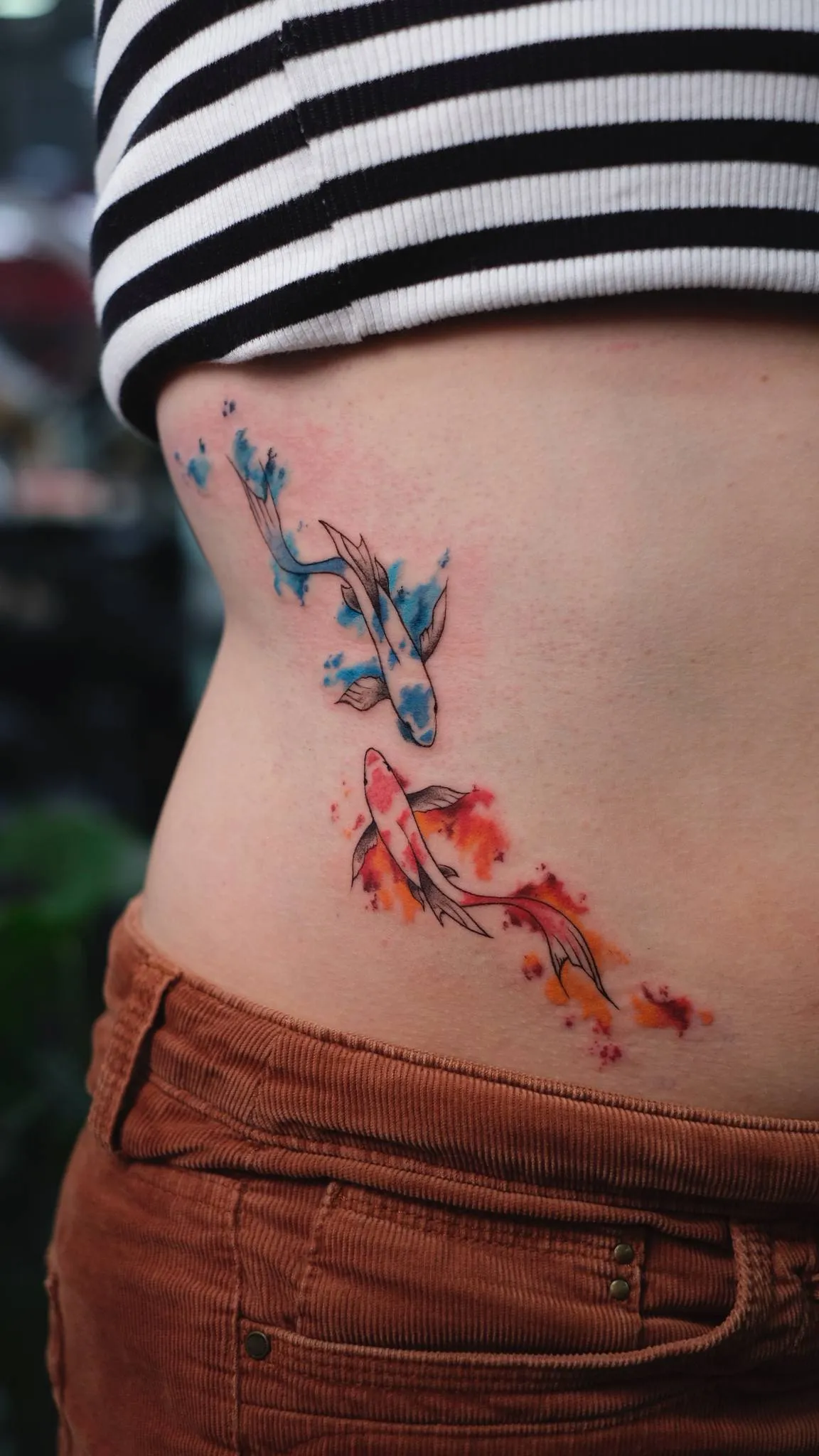
- Sun protection is critical: UV exposure is the number one enemy of watercolor pigments. Apply SPF 50+ (AAD recommendation) sunscreen whenever the tattoo is exposed to sunlight.
- Moisturize daily: Use a fragrance-free, alcohol-free moisturizer to keep the skin hydrated and pigment stable.
- Avoid pools and salt water: Chlorine and salt water can strip color from a healing tattoo.
- Don't pick or scratch: Peeling the skin prematurely causes color loss.
- Plan for touch-ups: Color refresh sessions are common with watercolor tattoos, typically recommended every 3–5 years.
How to Choose the Right Artist — and Avoid Costly Mistakes
Choosing an artist without specific watercolor expertise can result in muddy colors, poor blending, and premature fading.
- Review watercolor-specific portfolios: Look specifically for healed watercolor work in our gallery.
- Ask to see healed examples: Request photos of pieces that are at least 6–12 months old.
- Discuss technique: Ask whether the artist recommends a fine line base for longevity.
- Verify hygiene standards: Single-use needles, visible sterilization equipment.
- Consult before committing: A quality artist will invest time in understanding your vision.
Watercolor Tattoos at Bosphorus Ink
Bosphorus Ink is one of Istanbul's most established tattoo studios, with more than 10,000 completed works for both local and international clients. The studio specializes in black & grey, realism, and fine line work — all of which form the technical foundation for superior watercolor tattooing.
Every watercolor project at Bosphorus Ink begins with a bespoke consultation. Color preferences, motif selection, and placement are planned together before any needles are prepared. The studio operates with single-use materials, autoclave sterilization, and a strictly appointment-based workflow.
Book your free consultation today and bring your watercolor vision to life.
Frequently Asked Questions
How long does a watercolor tattoo take?
Do watercolor tattoos hurt more than other styles?
How fast do watercolor tattoos fade?
How much does a watercolor tattoo cost in Istanbul?
Is an outline necessary for a watercolor tattoo?
What are the best body placements for watercolor tattoos?
Is the consultation at Bosphorus Ink free?