
Cover-up Tattoo Istanbul
A cover-up tattoo is the art of covering an old, unwanted tattoo with a new, original design. At Bosphorus Ink in Istanbul, our artists specialise in cover-up work at our Beşiktaş (Fulya) and Pendik studios. To turn regret into a masterpiece, we are the right address in Istanbul.
How does a cover-up tattoo work?
We first review a photo of your existing tattoo and assess its darkness and size. Then we propose a new design that conceals the old work using dark tones intelligently. In some cases 1-2 laser fading sessions give a much better result.
Can every tattoo be covered?
Most tattoos can be covered; however, very dark or large pieces may first need light laser fading. At the free assessment we give you an honest, clear roadmap.
Why is experience essential in cover-ups?
Concealing old lines and building the new design with the right composition takes mastery. Our cover-up-experienced artists such as Ramazan, Enes and Melike ensure a clean, lasting result.
Who is a cover-up not ideal for?
For very light or faded old tattoos, full laser removal sometimes gives a cleaner result than a cover-up. Very large, dark old pieces may also need several laser sessions first — expecting a cover-up in a single session isn't realistic in that case. Cover-up is also technically difficult if you want the new design to be noticeably smaller or lighter than the old tattoo.
What determines cover-up prices?
Price depends on the old tattoo's size and darkness, whether laser pre-treatment is needed, the detail density of the new design and the number of sessions. For an exact quote, we assess a photo of your old tattoo together in a free WhatsApp consultation; you can also check our Istanbul tattoo prices guide for current ranges.
How cover-up relates to blackwork and sleeve tattoos
Cover-up work often uses dense black areas in the blackwork technique to mask old lines. If the old tattoo is too large or scattered to cover on its own, extending the design into a full sleeve tattoo composition can give a more successful result.
Which Designs Actually Work for a Cover-up?
Choosing a design for a cover-up isn't an aesthetic preference, it's a technical requirement. It takes enough density and the right structure to conceal the lines of the old tattoo.
What works best:
Blackwork and dense black areas. The most reliable way to conceal old lines. Maori, ornamental and tribal patterns are popular for cover-ups for exactly this reason — they use dense black and have naturally flowing forms.
Organic, irregular forms. Floral compositions, leaves, smoke, water effects. Because their edges are irregular, they break up the geometry of the old tattoo and keep the eye from settling on a single line.
Dark-toned realistic work. Portraits, animal figures or mythological compositions — the heavy shading conceals the work underneath.
What's difficult:
Fine line and minimal designs. A thin line can't hide a tattoo underneath it; the old work shows through the new design. Almost never used for cover-ups.
Light-coloured or open designs. Styles with transparent transitions, like watercolour, don't hide the ink underneath.
Designs smaller than the original. Physically not possible — the new piece has to fully contain the old one.
This is the point that causes the most disappointment in a first consultation: the fine-line design you had in mind might not be applicable over your existing tattoo. We say this upfront, because a cover-up started with the wrong design can't be corrected afterwards.
When Is Laser Fading Needed?
Not every cover-up needs laser — but in some cases, laser is the step that takes the result from average to excellent.
Laser not needed: Light and medium-tone tattoos, thin-lined old work, faded pieces. These can be worked on directly.
We recommend laser when:
The old tattoo is very dark and covers a large area
You want to use light colour or open space in the new design
The old work has thick, sharp black outlines
A cover-up has already been done before, meaning there are two layers of ink
Laser is used to fade the tattoo, not remove it completely. Usually 1-3 sessions are enough; full removal (8-12 sessions) isn't necessary. The goal is to give the artist room to work.
Timeline: We leave 6-8 weeks between laser sessions; after the final laser session, we wait for the skin to fully heal (roughly 6-8 weeks) before starting the cover-up. So a cover-up plan involving laser spans a few months in total.
We don't perform laser treatment in our own studio; we refer you to centres we trust and coordinate with your artist throughout the process. During your assessment, we'll tell you from your photo whether laser is needed.
How Many Sessions Does a Cover-up Take?
A cover-up usually takes longer than a regular tattoo of the same size — because the artist is working on the new design while also accounting for concealing the old one.
| Situation | Typical sessions | Note |
|---|---|---|
| Small, light-toned old tattoo | 1 session | Can be covered directly |
| Medium size, medium density | 1-2 sessions | The most common case |
| Large or dark old tattoo | 2-3 sessions | Worked in layers |
| Cover-up after laser | 1-2 sessions + laser process | A few months in total |
| Turning into a full arm/back piece | 3-6+ sessions | Counts as a sleeve project at that point |
We leave 3-4 weeks of healing time between sessions. This can't be shortened — working on unhealed skin both spoils the result and makes healing harder.
How We Work
Our Artists
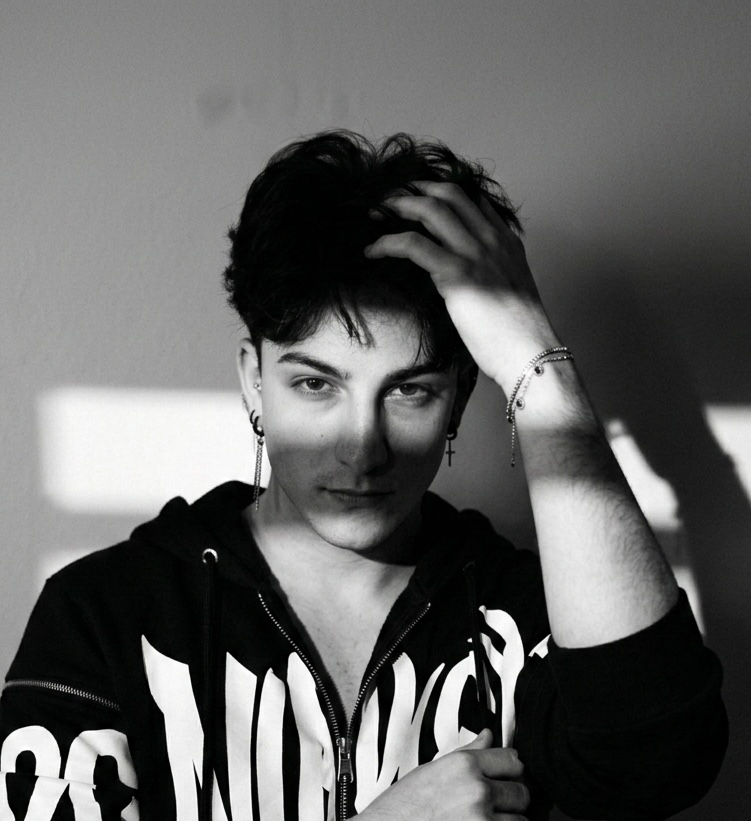
Ramazan
Tattoo ArtistRamazan is an award-winning tattoo artist specialising in Color Realism, Avant-garde, C...
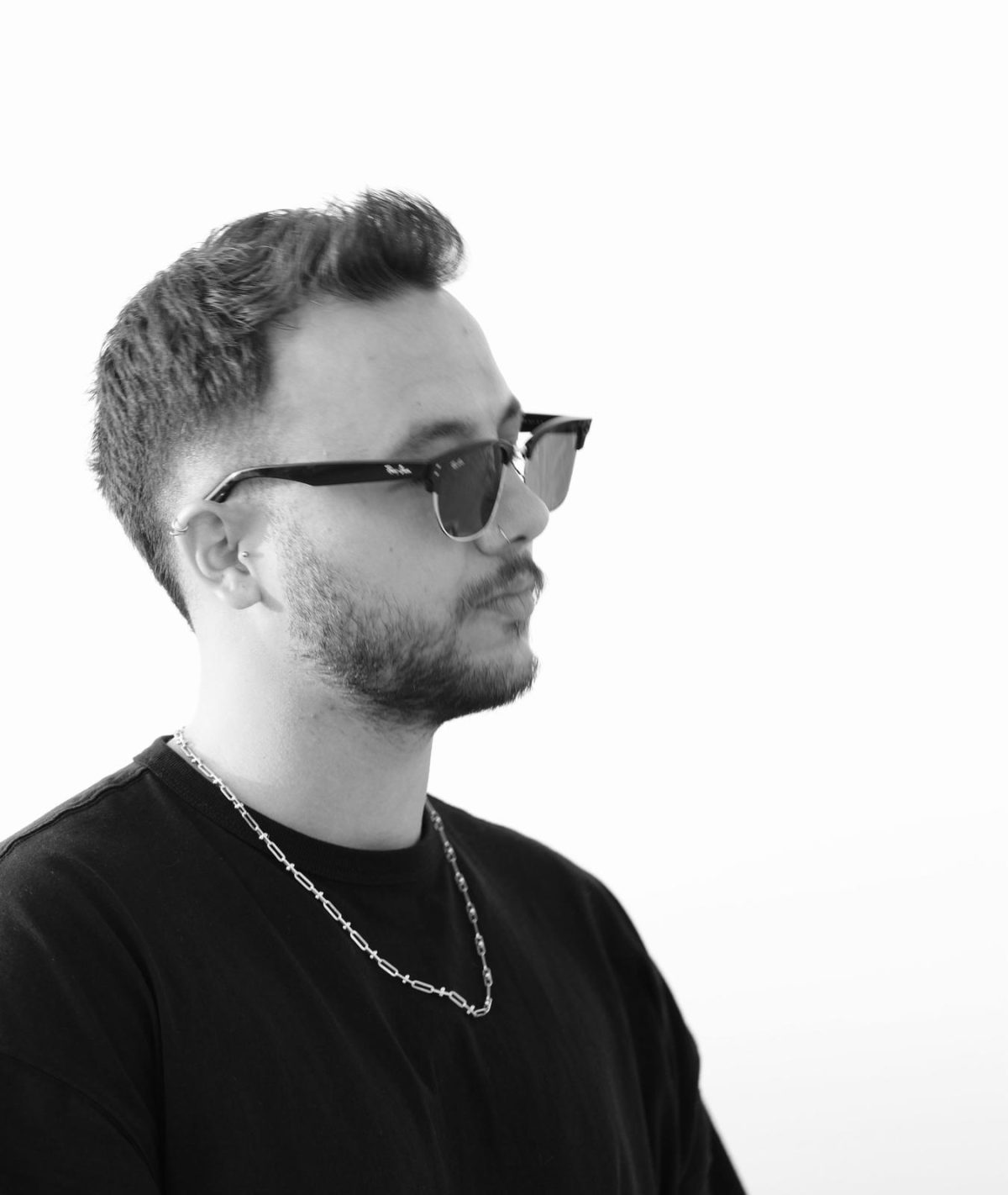
Enes
Tattoo ArtistEnes is a tattoo artist specialising in black & grey realism and micro realism. He also...
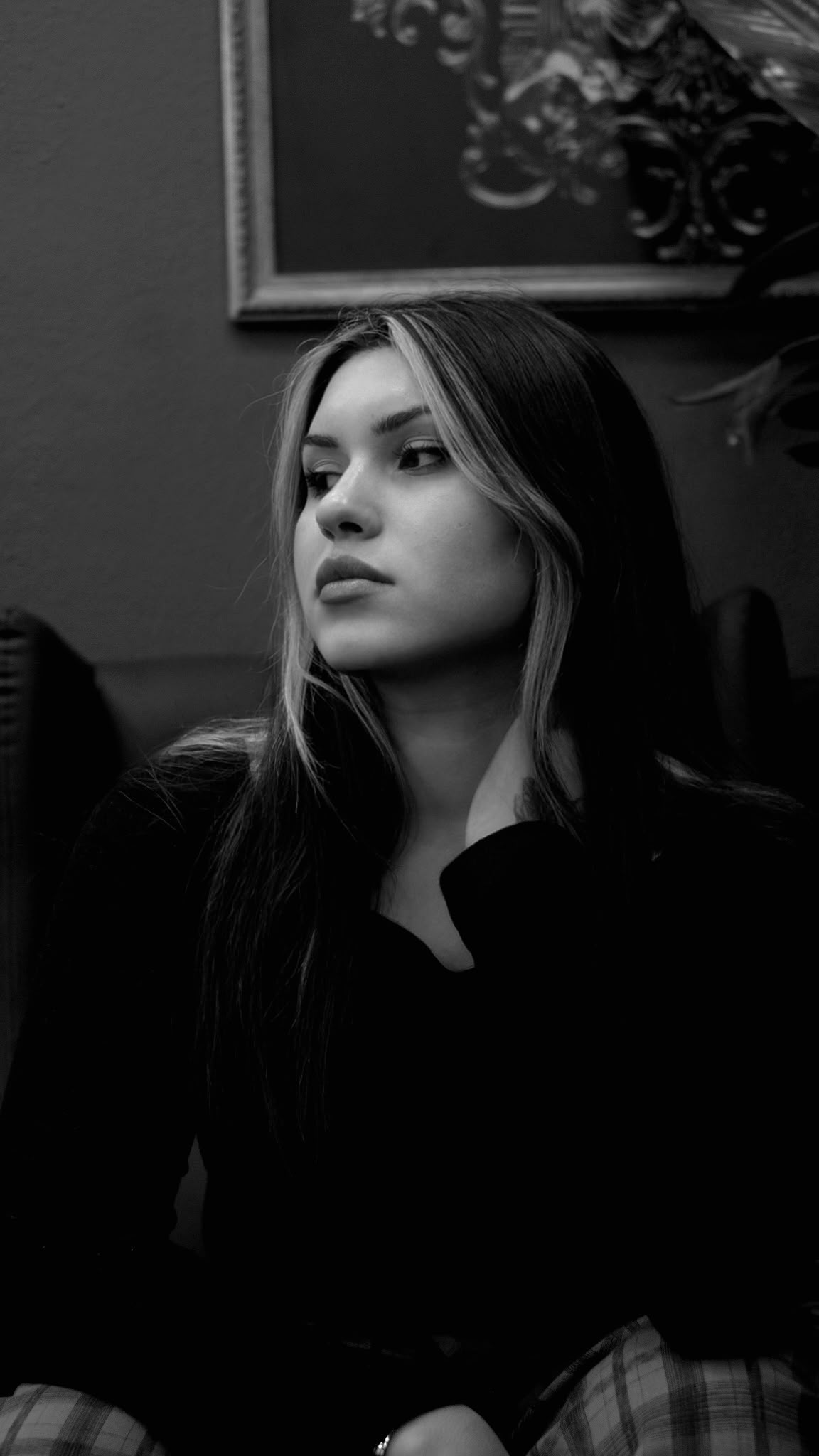
Melike
Tattoo ArtistMelike is an award-winning tattoo artist specialising in Black & Grey Realism, Microrea...


Frequently Asked Questions
Do I need laser removal before a cover-up?
Is a cover-up bigger than the original?
Do I need an appointment or do you accept walk-ins?
Do you have English or German-speaking artists?
Will the old tattoo be completely invisible after a cover-up?
Can I bring my own design for the cover-up?
Can you fix a bad cover-up done elsewhere?
Is a cover-up more expensive than a regular tattoo?
More in Custom Tattoo Projects
Booking & Free Consultation
Contact us on WhatsApp for a free design consultation at our Beşiktaş and Pendik studios in Istanbul.
Free Consultation on WhatsApp