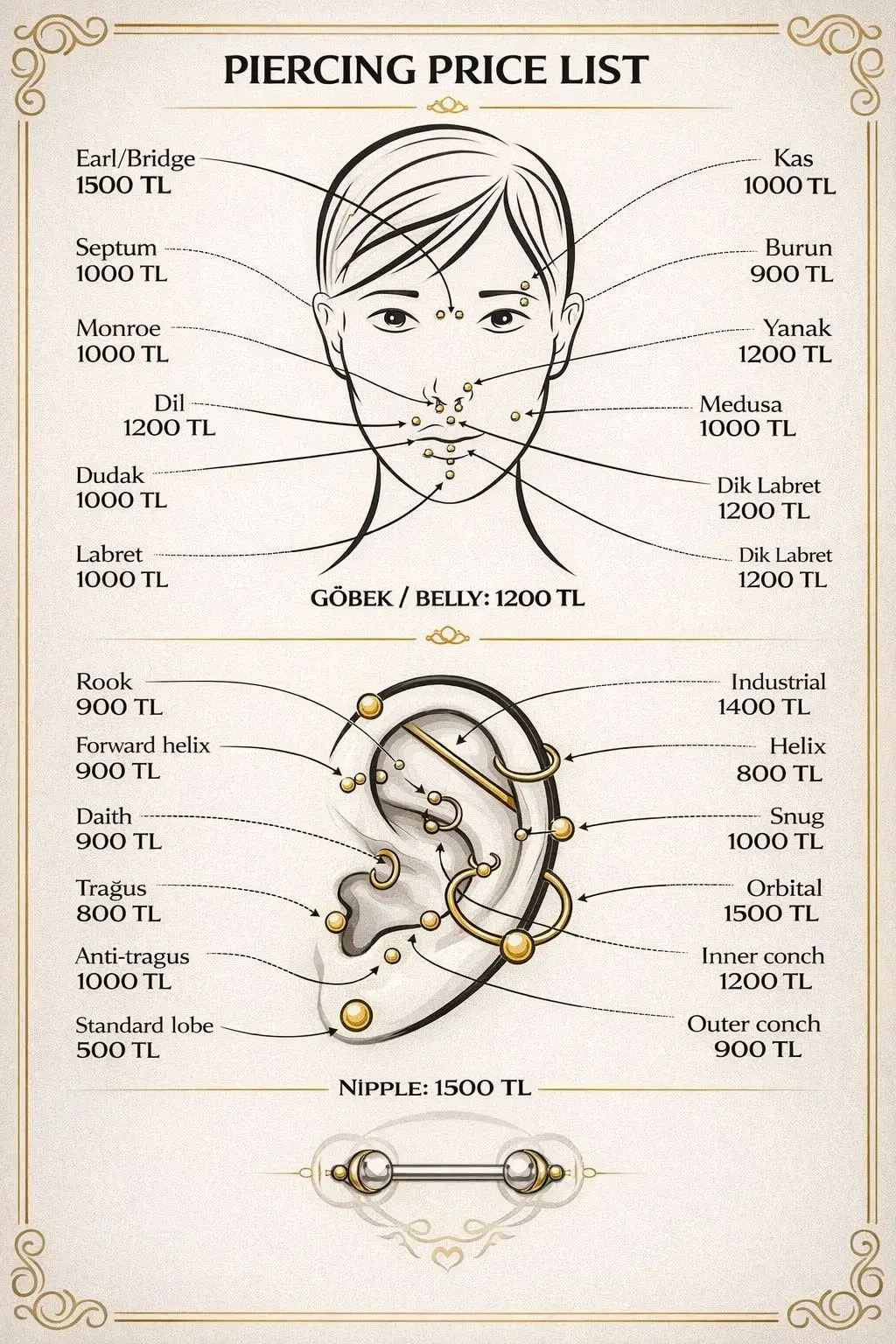

When you get a piercing, the most important decision is not only the placement or the look. It is the material of the jewellery. A large share of redness, itching and "why is this still not healing?" problems come from the wrong metal. The difference between implant-grade titanium and ordinary surgical steel can be the difference between a calm healing process and months of irritation.
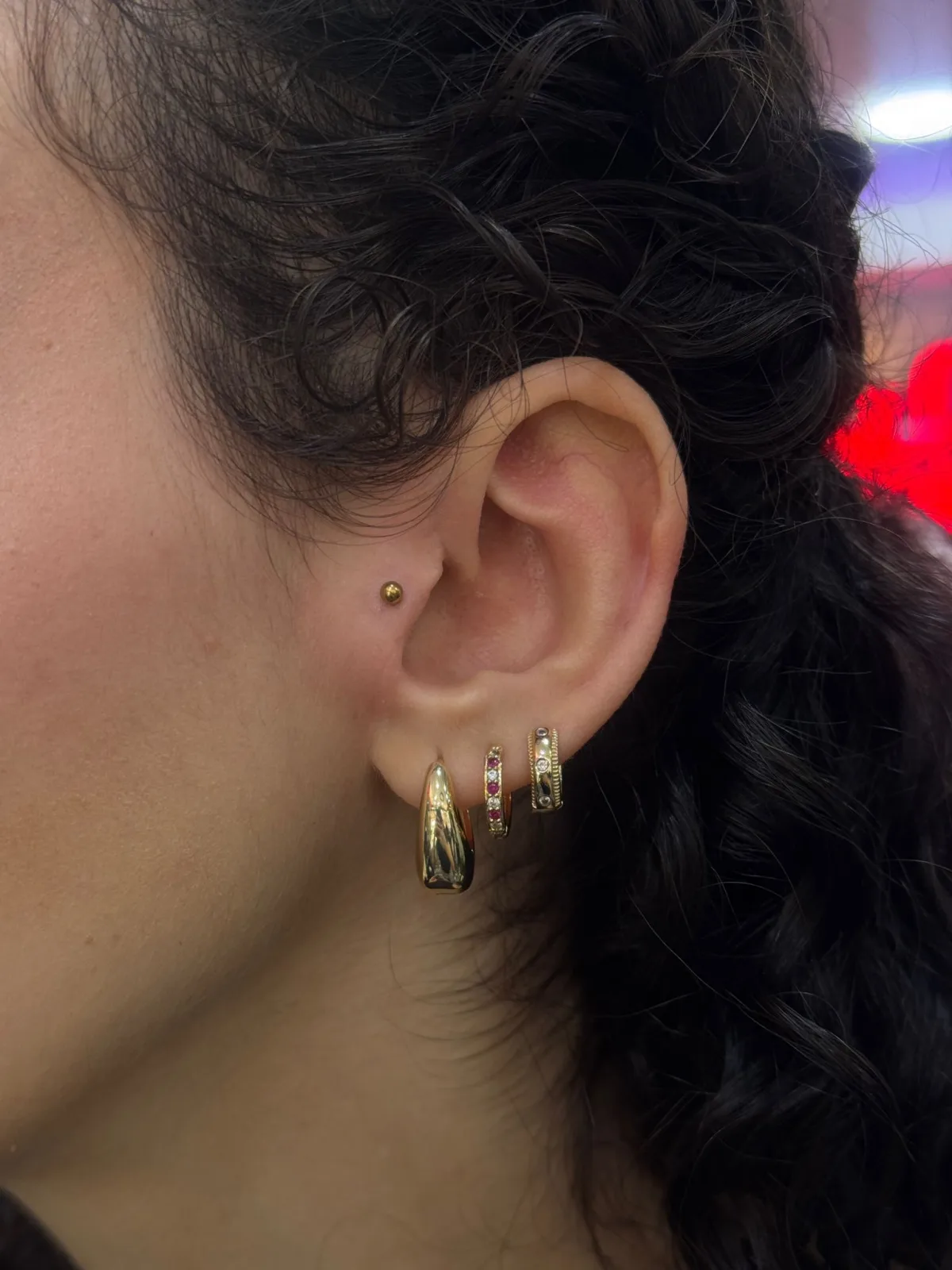
The Main Problem: Nickel
Nickel is the most common trigger behind jewellery-related irritation and allergy. Many cheap pieces, and even some products sold casually as "surgical steel", can release nickel against the skin.
- itching and redness around the piercing
- yellowish crusting or discharge
- growing tenderness around the hole
- a piercing that refuses to settle after months
Material Comparison
| Material | Nickel | For a Fresh Piercing | Note |
|---|---|---|---|
| Implant-grade titanium ASTM F-136 | None | Best choice | Light, hypoallergenic and medical-grade |
| Surgical steel 316L or 316LVM | Trace amounts | Risky for sensitive skin | Often fine for healed piercings |
| Solid 14k+ gold | Depends on alloy | Better after healing | Avoid gold-plated jewellery |
| Acrylic or fashion jewellery | Variable | No | Porous materials can harbour bacteria |
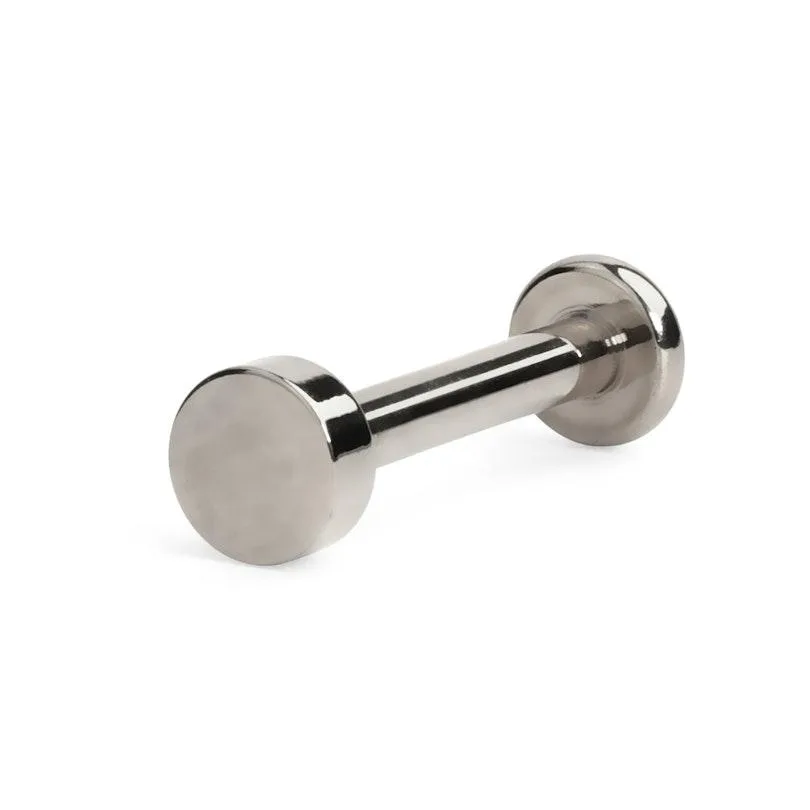
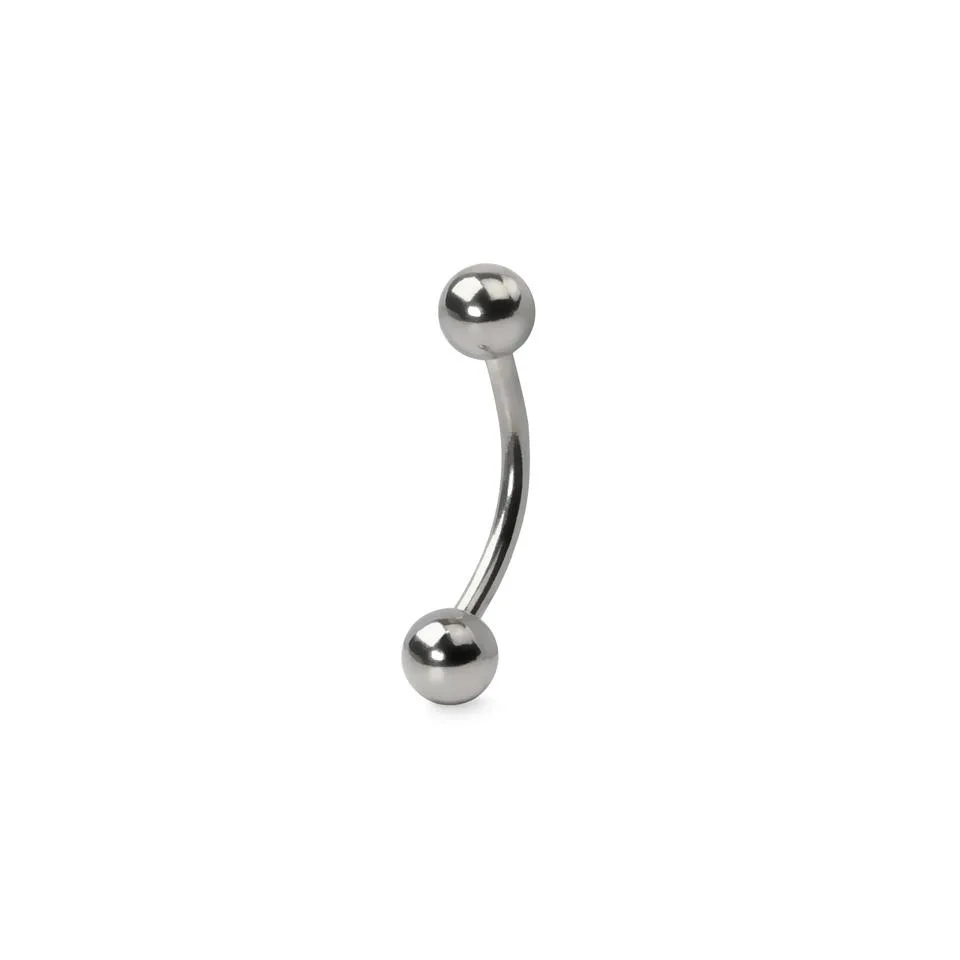
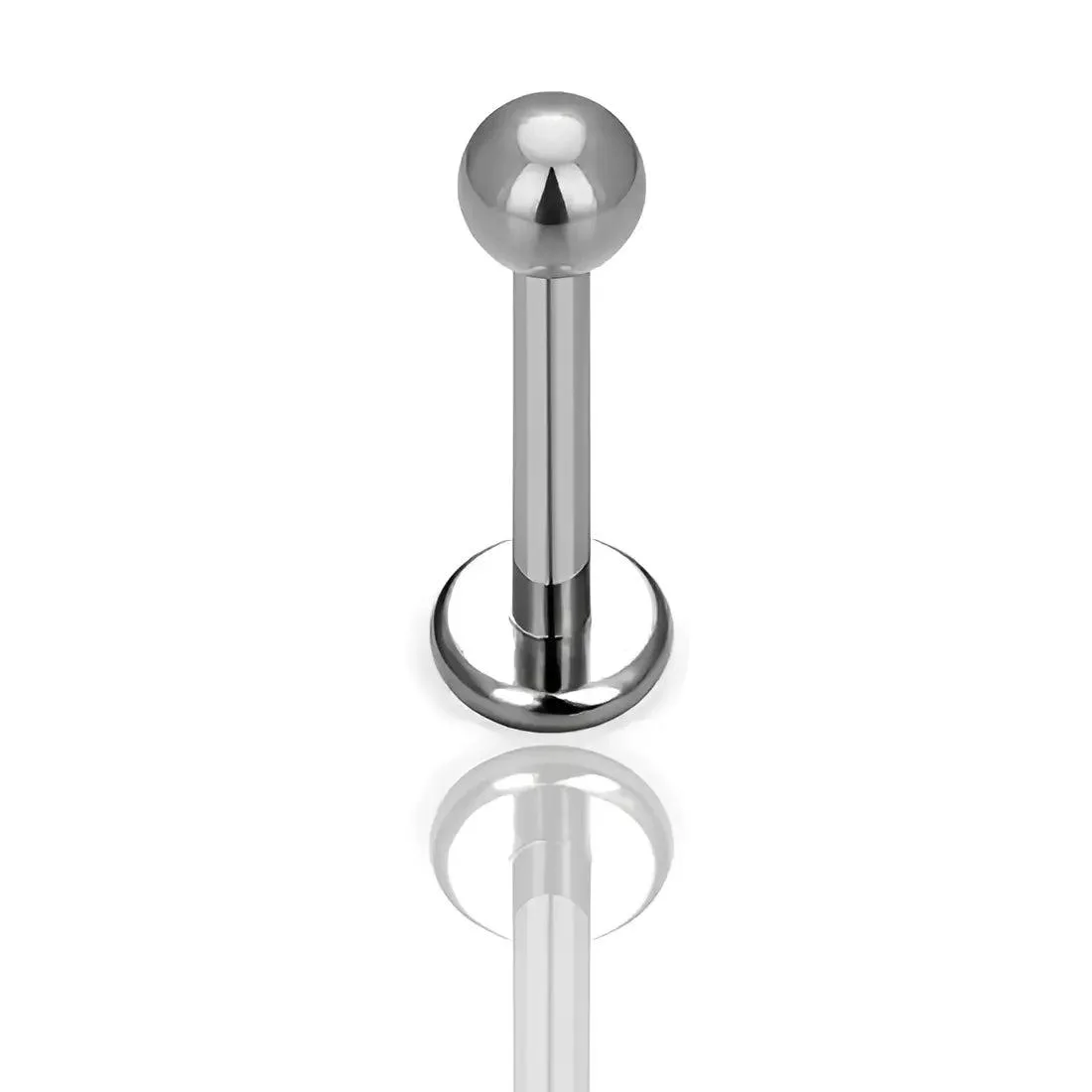
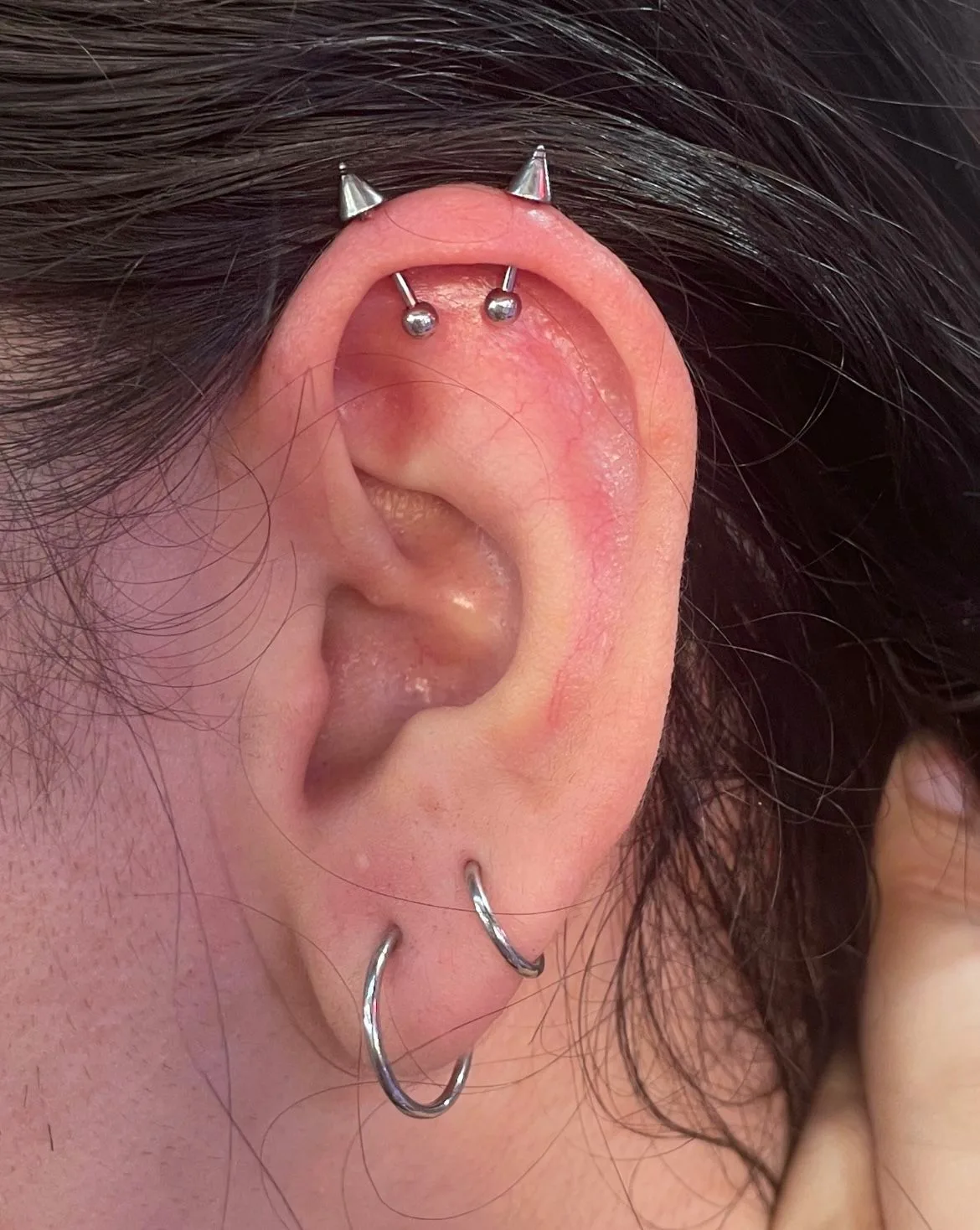
Why First Jewellery Should Be Titanium
- It is nickel-free. Allergic reactions are extremely unlikely.
- It is lighter than steel. Less weight means less pressure on healing tissue.
- It can be anodised. Colour is created without a coating, so the jewellery remains skin-friendly.
At Bosphorus Ink, implant-grade titanium is our standard for new piercings. The first jewellery is included in the service.
When Should You Change Jewellery?
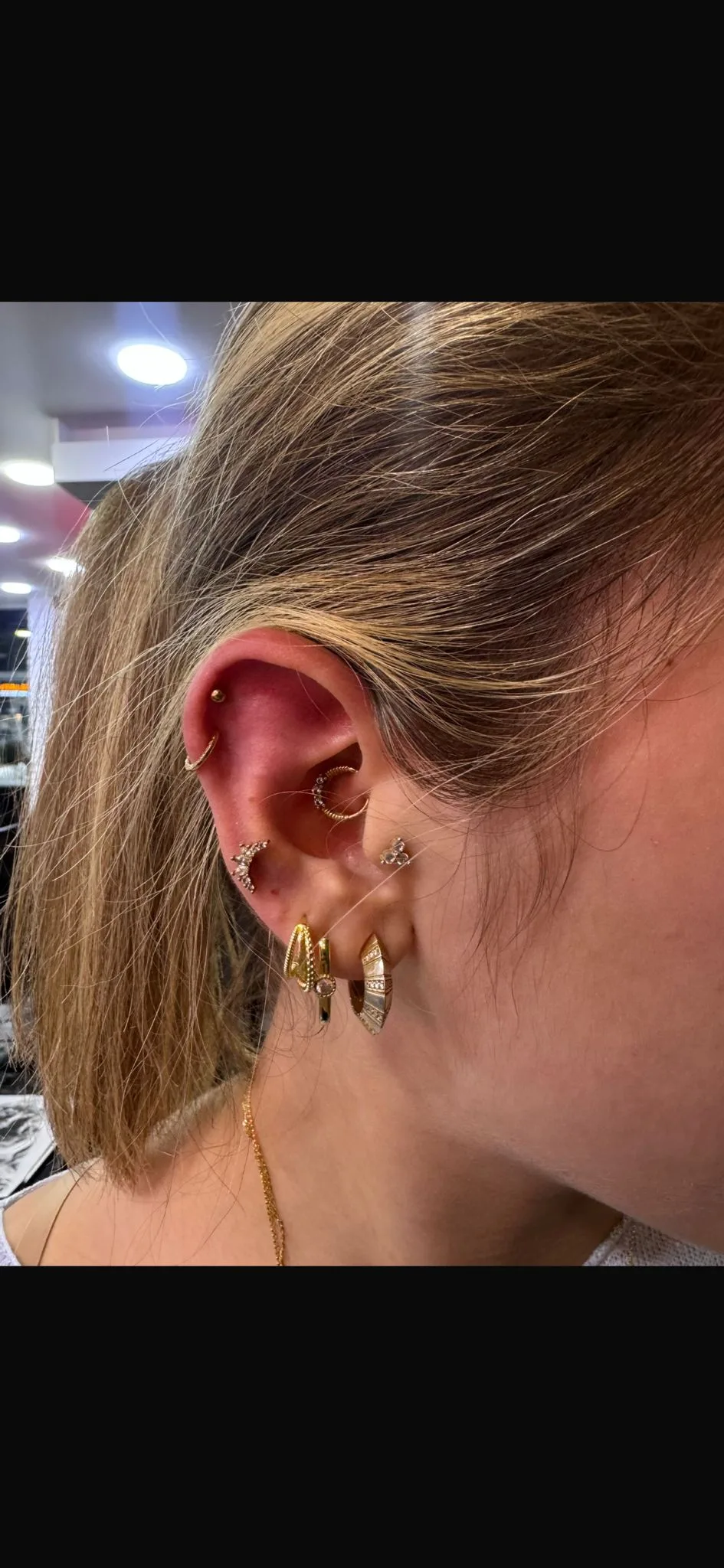
- Timing matters. Earlobes may be ready in 6 to 8 weeks, cartilage can take 3 to 6 months, and navel piercings often need 6 to 12 months.
- Let a professional do the first change. Correct bar length and gauge protect the channel.
- After full healing, you have more freedom. Sensitive skin should still stick to titanium or high-quality solid gold.
Safe Piercing Jewellery Buying Checklist
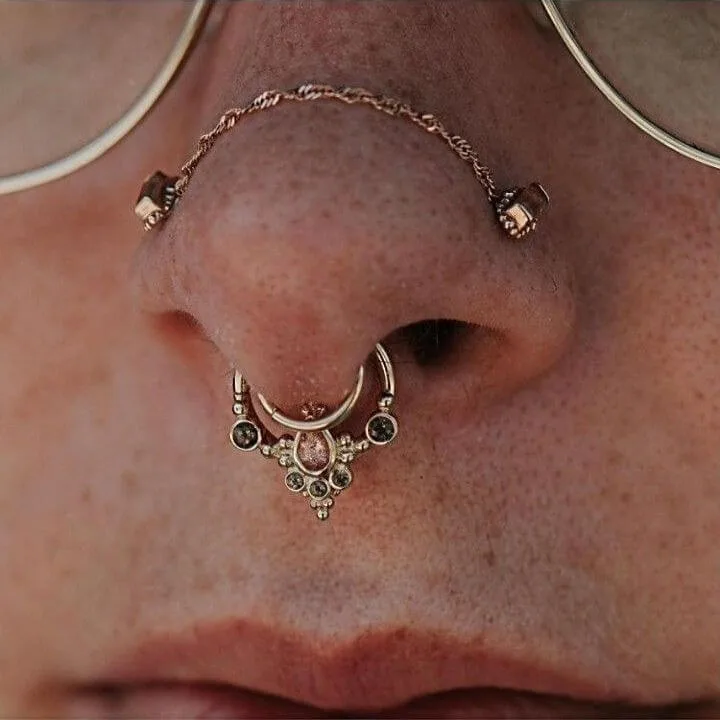
Price and appearance should never be the only criteria for piercing jewellery. Your first piece is part of the healing process, and the wrong choice can slow everything down. Use this checklist:
- Is the material standard clearly stated, such as ASTM F-136 for titanium?
- Is it solid material rather than plating?
- Is the bar length and gauge suitable for your piercing?
- Is the jewellery sterile and properly packaged?
- Can the seller explain or document the material?
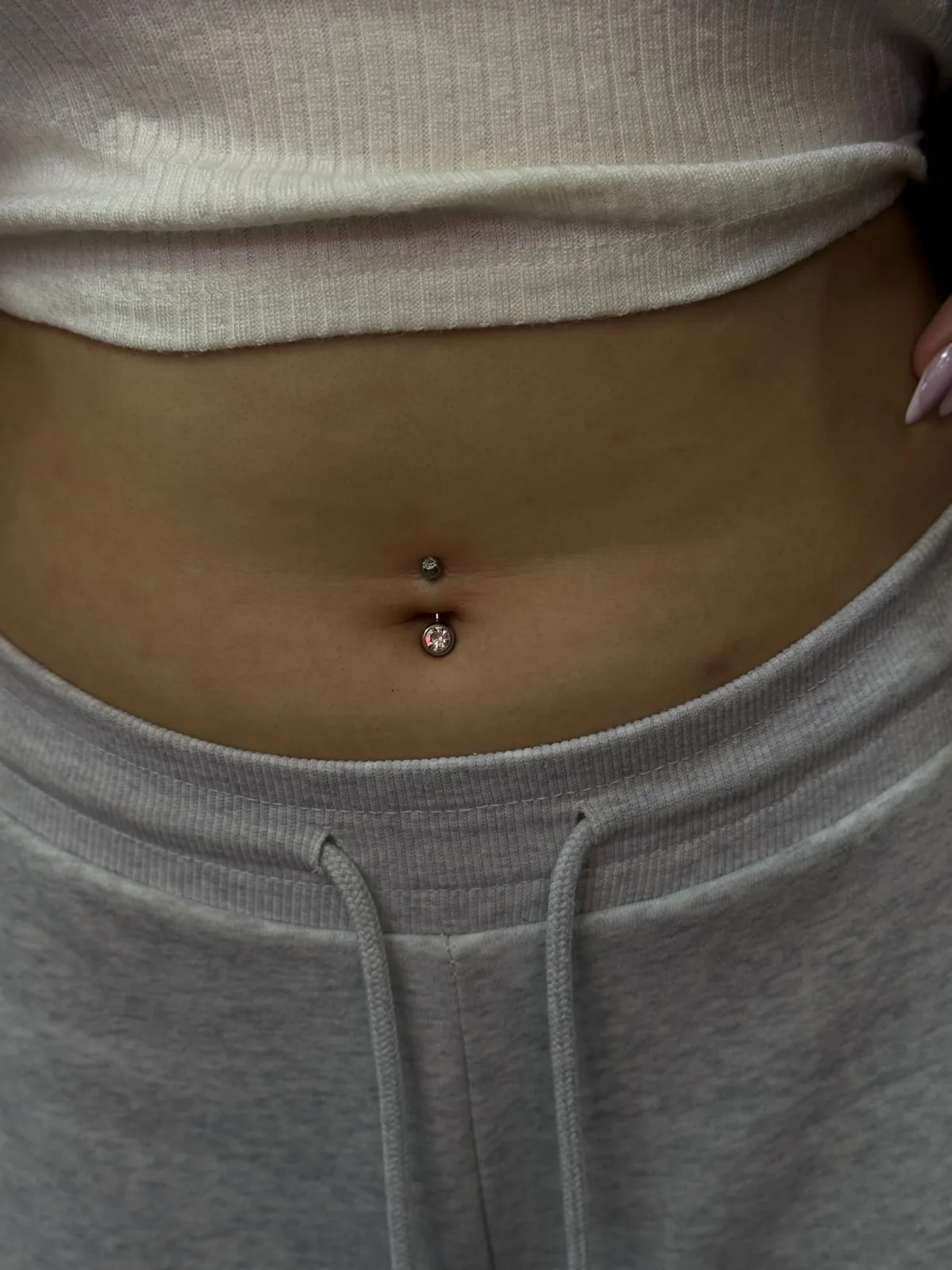
For cartilage piercings such as helix, tragus and daith, lightweight hypoallergenic jewellery makes healing noticeably easier. If it is your first jewellery change, let the studio measure the correct size before switching pieces.
Frequently Asked Questions
How do I know if my jewellery is titanium?
Look for ASTM F-136 on the packaging or certificate. A professional studio should be able to tell you exactly what material is being used.
I think I am having an allergic reaction. Should I remove the jewellery?
Do not remove it yourself. Visit the studio so the jewellery can be changed safely.
Is gold safe for piercings?
Solid 14k or higher nickel-free gold is usually safe for healed piercings. Gold-plated jewellery is not ideal.
For a new piercing or jewellery change, contact Bosphorus Ink on WhatsApp at +90 545 131 07 34.